Urszula Rybicka
Jews lived in Dzierżoniów, as in other Lower Silesian towns, as early as the 13th century. At that time, they belonged to the community in Świdnica, which was one of the largest Jewish populations in the region — it was there, among other places, that the Jewish cemetery where the Jews of Dzierżoniów were buried was located. The medieval community was relatively small and unstable, particularly as it was no stranger to anti-Semitic attacks and pogroms carried out by the local population. During one such event, the Jewish community was expelled from their homes. The exiled Jews were unable to return permanently, and the city gates remained open to them only a few times a year during fairs, which were frequently visited by Jews from Eastern Europe.
The period of exile lasted until the Edict of Emancipation in 1812, when the Prussian authorities allowed Jews not only to settle in Silesian towns but also to participate in public life and establish communities — including building houses, synagogues, engaging in trade, and founding their own organizations and institutions. It was then that the Jewish cemetery was established, followed half a century later by an imposing synagogue. This marked the beginning of an era of exceptionally rapid development for Jewish communities, which significantly contributed to the growth of Lower Silesian towns in the 19th century.
Dzierżoniów, famous for its textile industry, benefited greatly from the entrepreneurship of Jewish manufacturers — notable examples include the Weyl & Nassau spinning mills and the textile factories of brothers Arnold and Herman Cohn, as well as Abraham Fleischer. It is worth noting that most Jewish-owned factories were seized by Germans as part of the expropriation campaign in 1938. By the end of the 19th century, approximately 150 Jews lived in Dzierżoniów. Although they were officially part of the urban fabric, many chose larger cities, such as the university city of Wrocław, due to broader educational and professional opportunities. While the Jewish community did not publish its own bulletin, many Dzierżoniów Jews subscribed to the Bonn press, including the Israelitische Gemeinde- und Familien-Zeitung. After the Great War and the subsequent economic crisis, even fewer representatives of the Jewish community remained in the city. It is estimated that by the 1930s, their number had dwindled to about seventy.
The Nazi period, with its terror and persecution of the Jewish minority, left a deep mark on the Dzierżoniów community. Early in the National Socialist reign, boycotts of Jewish businesses took place in many cities; in Dzierżoniów, an anti-Semitic campaign occurred on April 1, 1933. The prohibition of working in public institutions or conducting trade led many Jewish residents to emigrate. They fled to other European countries and often across the ocean. The Germans also removed Jewish heritage from symbolic spaces, such as renaming Żydowska (Jewish) Street to St. George Street (present-day Miodowa Street).
The culmination of numerous anti-Semitic attacks and the removal of Jews from public life was the nationwide Kristallnacht pogrom on November 9, 1938. In Dzierżoniów, under the cover of night, paramilitary groups smashed windows in the synagogue and Jewish shops. Many Jews were arrested and temporarily placed in concentration camps. The property of Dzierżoniów’s Jews was confiscated — both private belongings and commercial assets — as Germans took over enterprises and factories. When the war broke out, Jewish emigration became virtually impossible; it is estimated that fewer than fifty remained in the city. In 1941, deportations to transit, concentration, and death camps began. Often, Jews from smaller Lower Silesian towns were resettled to Wrocław, from where coordinated transports carrying hundreds of Silesian Jews departed until 1944. The Nazi period and the Holocaust, in which the last Jews were murdered, brutally ended the history of the German-Jewish community in Dzierżoniów. However, memory of them survived the Nazi era of erasure, with the synagogue and cemetery standing as the most significant surviving heritage sites.
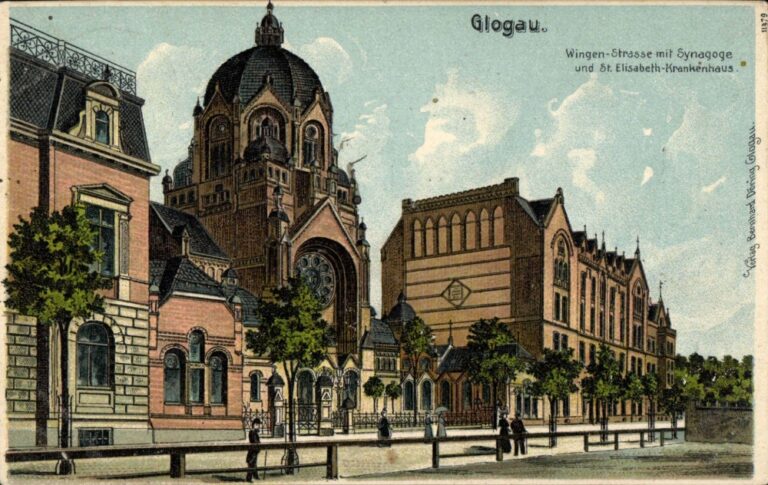
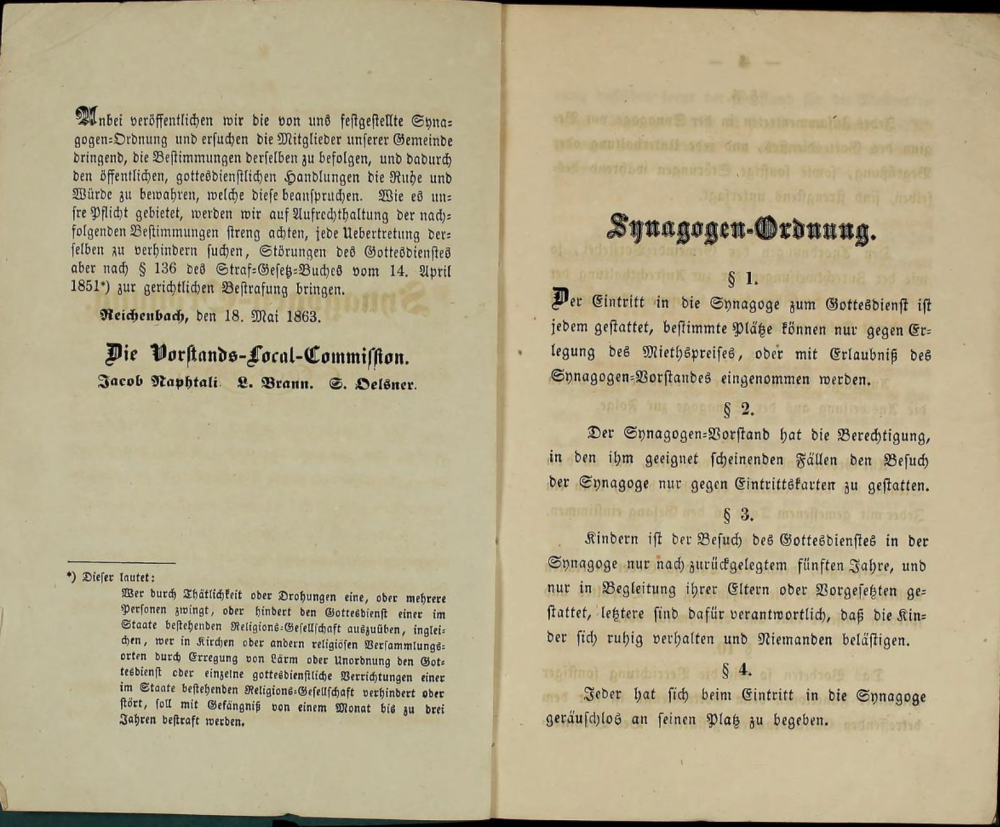
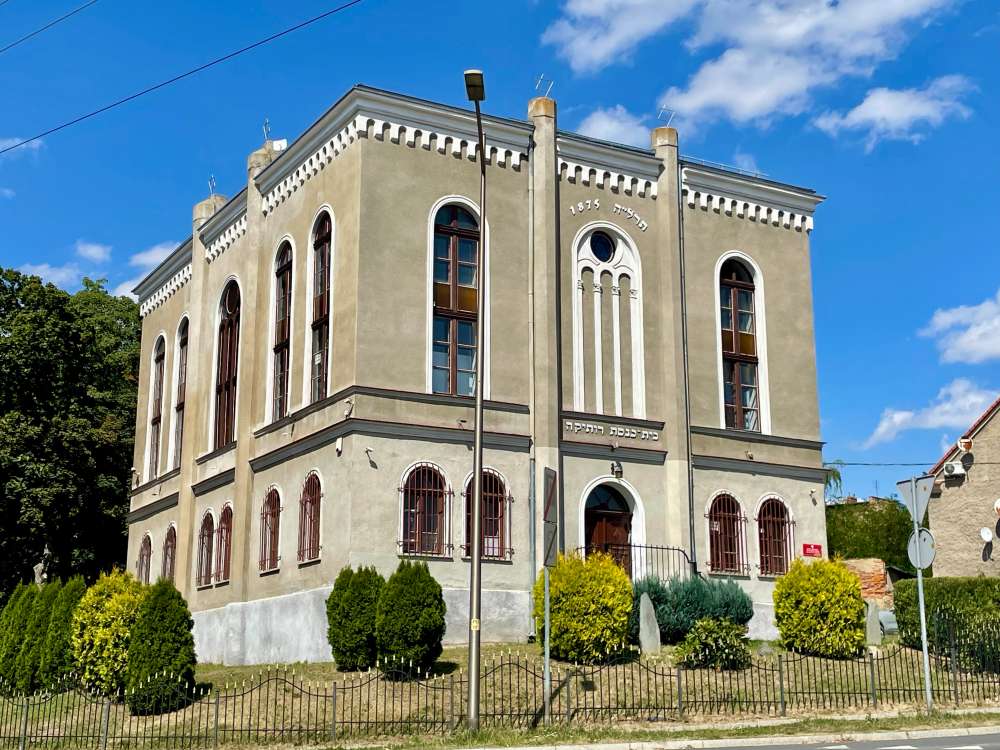
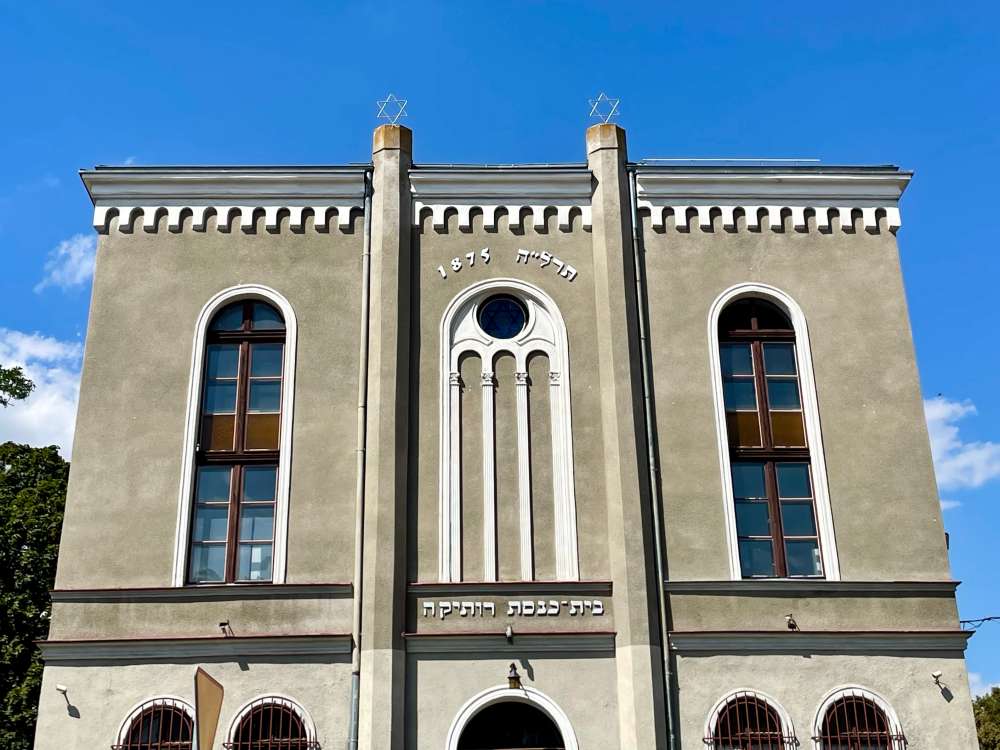
The Dzierżoniów synagogue, designed by architect Ewald Böttger in 1875, is located on Krasickiego Street. Known as the Old Synagogue, it operated until 1938 when it was seized from the Jews. Until then, the Dzierżoniów Jews possessed all the necessary religious infrastructure—besides the prayer hall, the site included a mikveh, a school, apartments for the rabbi and the teacher, a kitchen with a canteen, and the offices of the Jewish community. The first rabbi was Moritz Cohn. In 1863, the community published an information bulletin in book form regarding rules of conduct in the synagogue, signed by the board: Jacob Naphtali, L. Braun, and S. Oelsner. It stated, among other things, that children from the age of five could attend services if accompanied by an adult; one should take their seat in silence; and disturbing the service risked expulsion from the synagogue. Interestingly, it noted that shoes must be worn during the holidays of Yom Kippur and Tisha B’Av. Rabbi Moritz Cohn added at the end that these rules were not intended to offend any community member.
The synagogue fortunately survived both Kristallnacht and the war years, allowing it to serve Holocaust survivors afterward. In 1945, it returned to the Jewish community, was renovated, and once again hosted meetings and services. Unfortunately, years of anti-Semitic campaigns by the Communist authorities — particularly after 1968 and the subsequent mass emigration of Polish Jews — led to the synagogue being used less frequently and falling into neglect. In the 1980s, it was practically abandoned, and only after the fall of communism, in 1994, was it entered into the register of historical monuments. Its renaissance began in the early 21st century when the Beiteinu Chaj Foundation began renovating the building and eventually purchased it from the Jewish Religious Community in Wrocław. Today, it hosts Jewish holidays and public events — concerts, exhibitions, and cultural gatherings. In May 2025, the Dzierżoniów community celebrated the 150th anniversary of the synagogue with a gala concert. The synagogue is now named Rutika, in honor of a five-year-old girl murdered in the Holocaust.
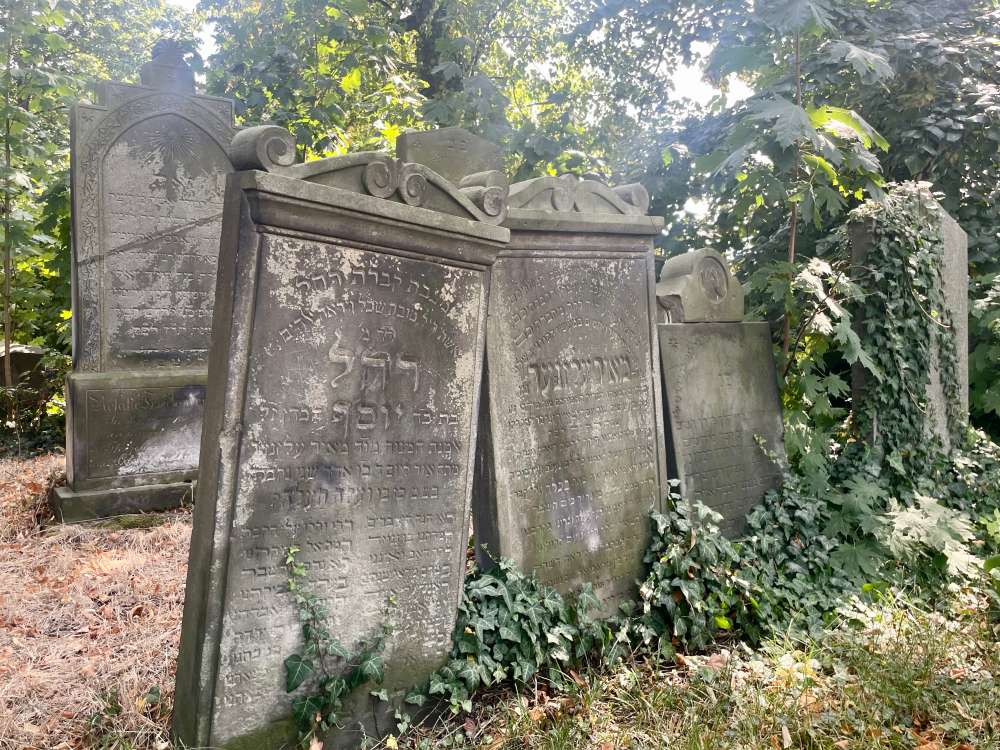
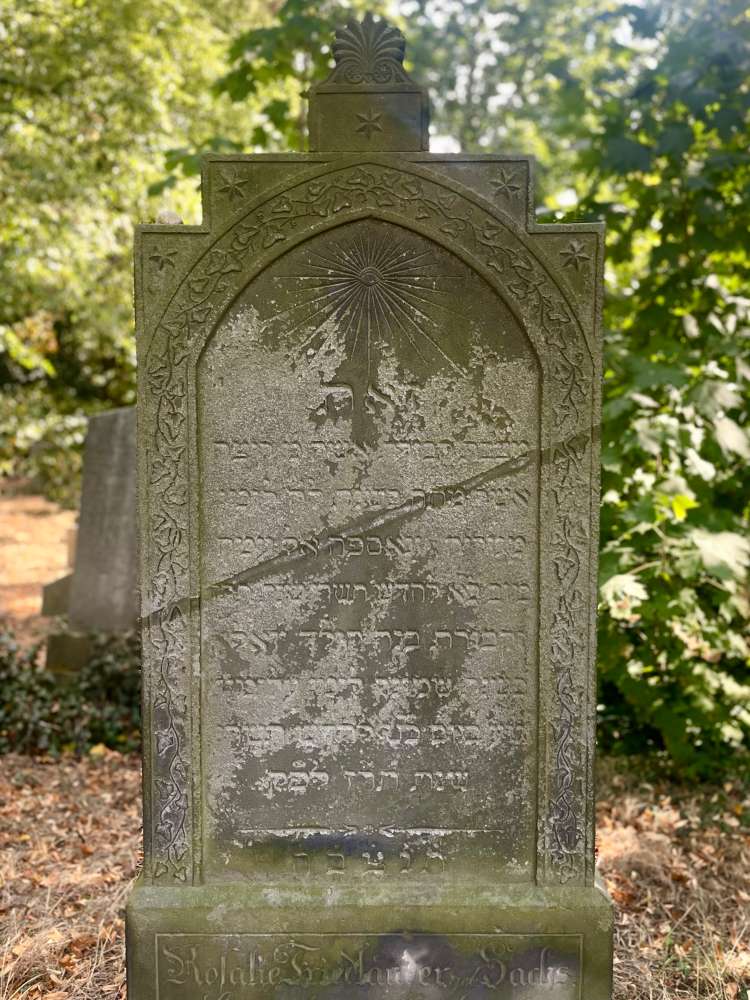
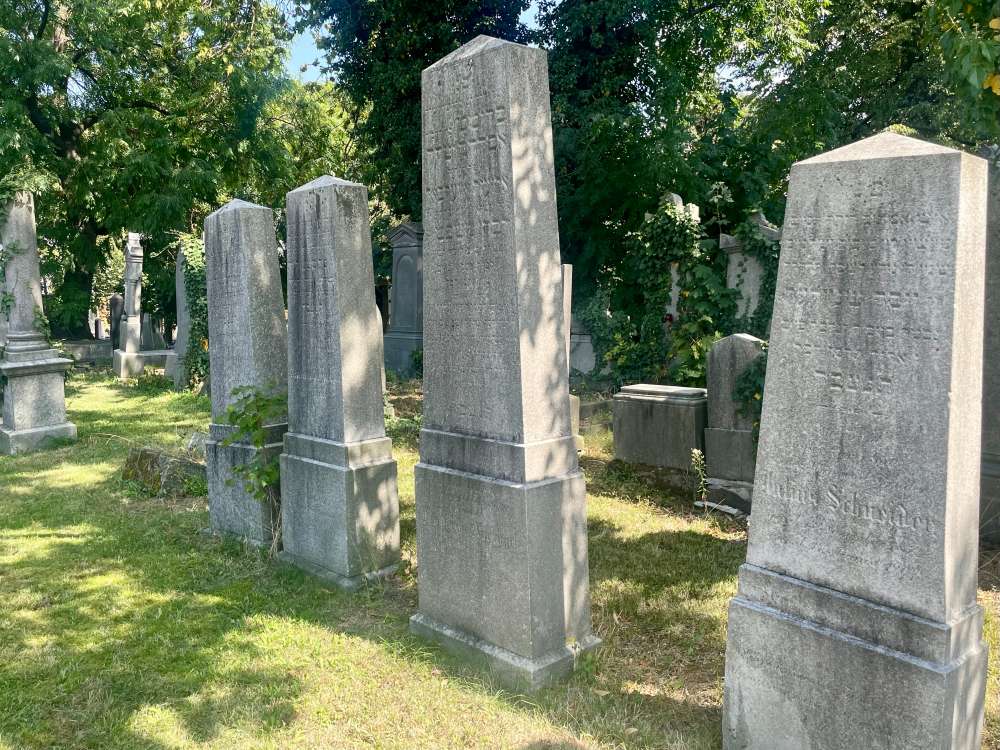
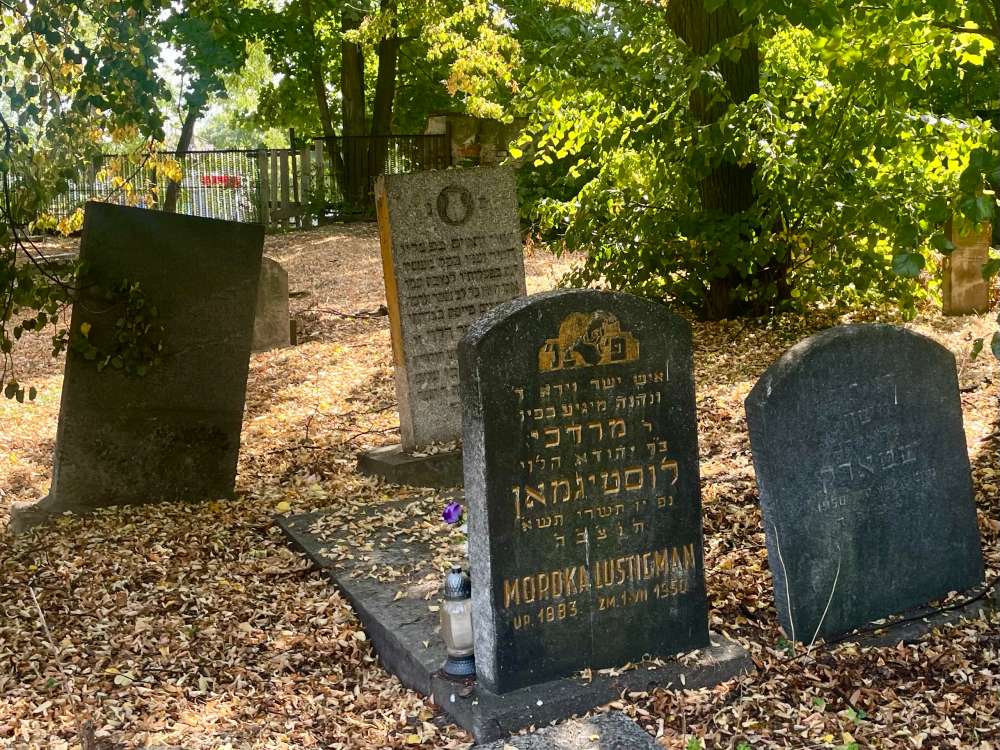
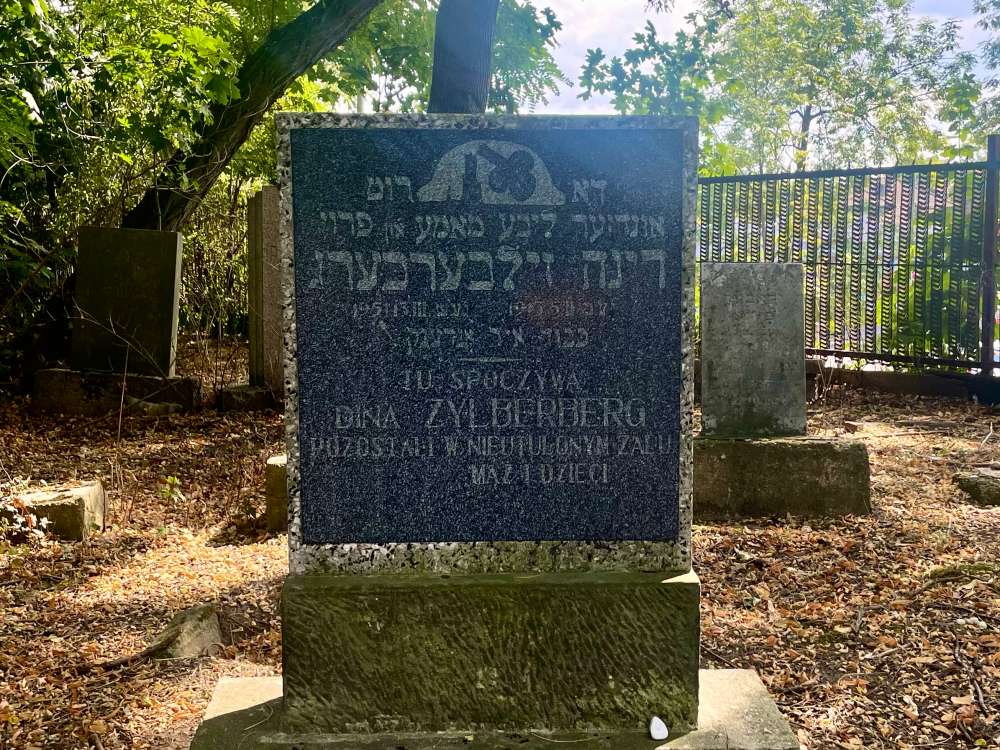
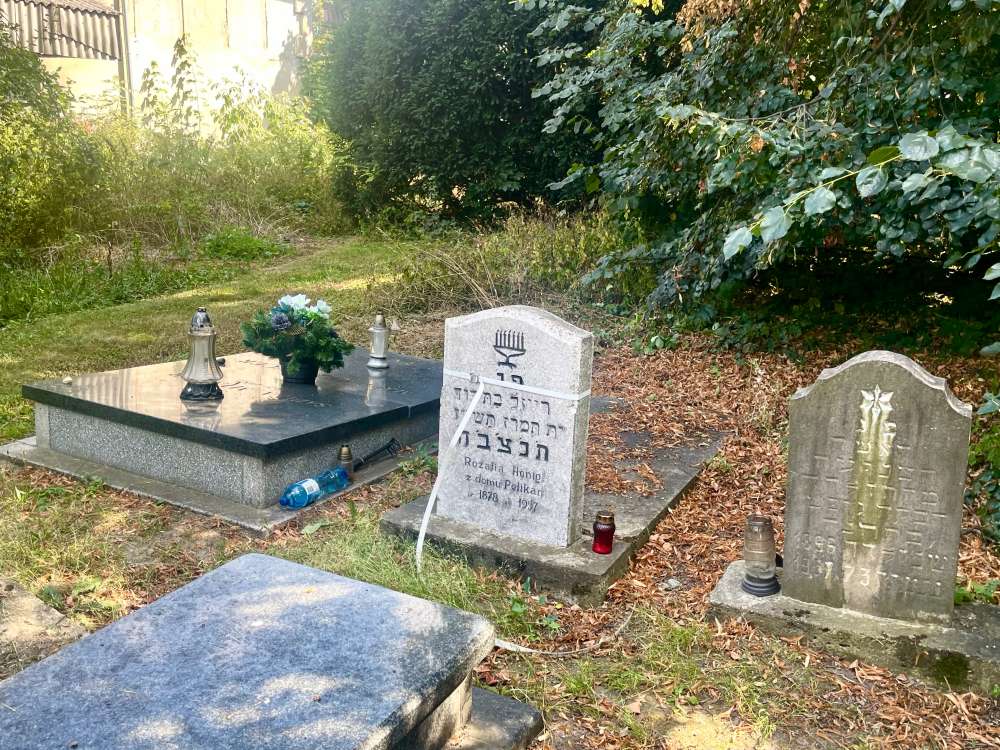
The Jewish cemetery in Dzierżoniów operated from 1826 to 1939 and is located on present-day Bielawska Street. It survived the war in good condition and includes a former pre-burial house, later used as a caretaker’s cottage. The survival of the necropolis is credited to a German, Konrad Springer, who purchased the cemetery, ensuring it was not registered by the National Socialists as Jewish property. Springer had previously served as the cemetery gardener and, though never a member of the Jewish community, collaborated with them, saving an essential piece of heritage. Polish Jews who settled in the city after the war began using the cemetery in 1945. However, there were instances where matzevot (headstones) were destroyed or stolen. Today, the nearly two-hundred-year-old necropolis contains about two hundred gravestones, both pre- and post-war. The inscriptions are in Hebrew, German, and Polish, with one in Russian.
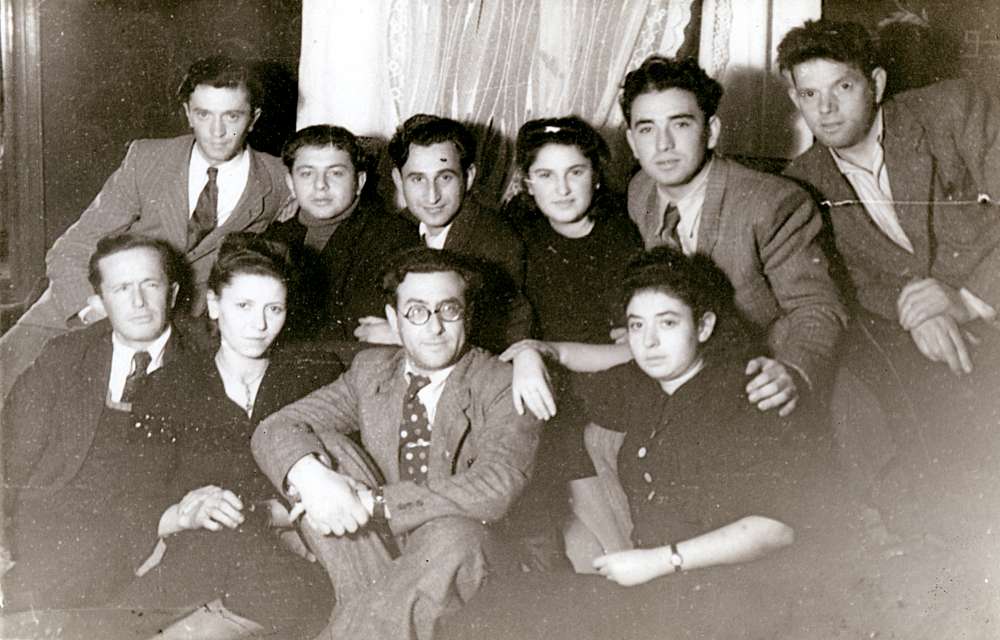
The surrender of the Third Reich and the liberation of concentration camps found thousands of imprisoned Polish Jews in present-day Lower Silesia. As early as May 1945, Dzierżoniów (known as Rychbach until 1946) recorded the presence of over 2,500 Jews, a number that grew rapidly in the following weeks. For those liberated from the sub-camps of Gross-Rosen, the Committee for Aid to Jews from Concentration Camps was established. In June, the Provincial Jewish Committee in Lower Silesia was founded in Dzierżoniów (located at 23 Krasickiego Street), effectively directing Jewish settlement in the region.
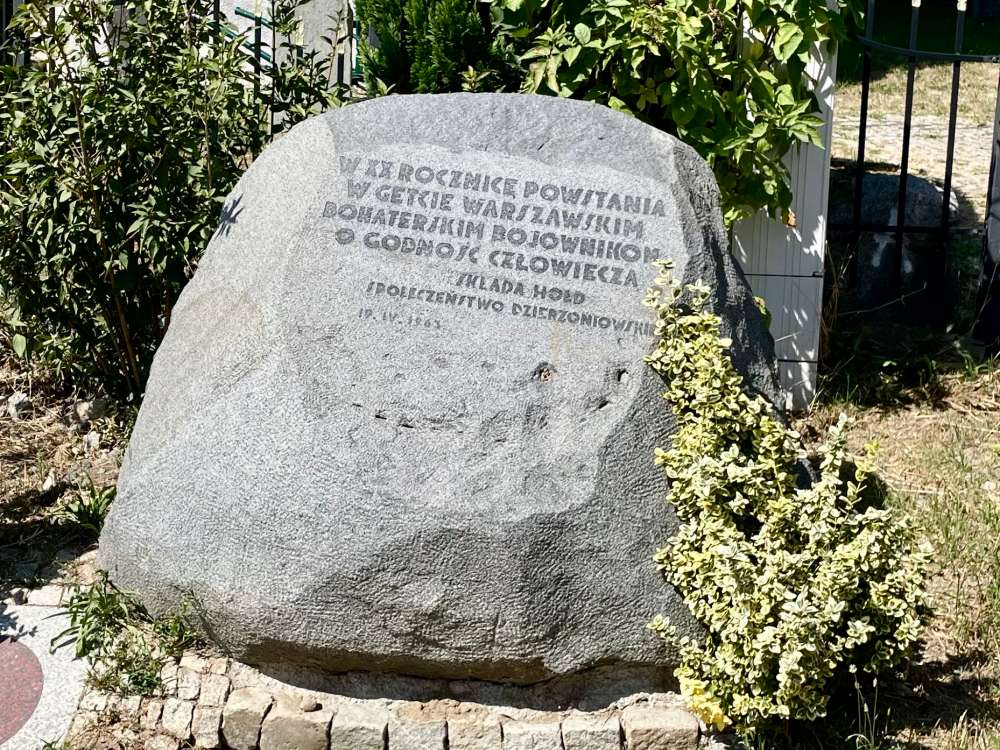
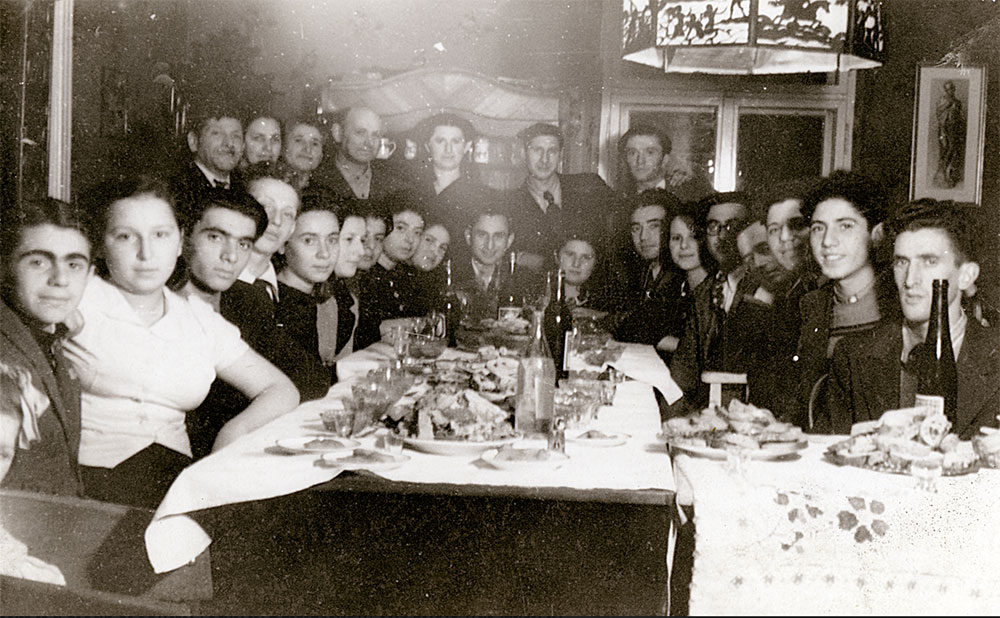
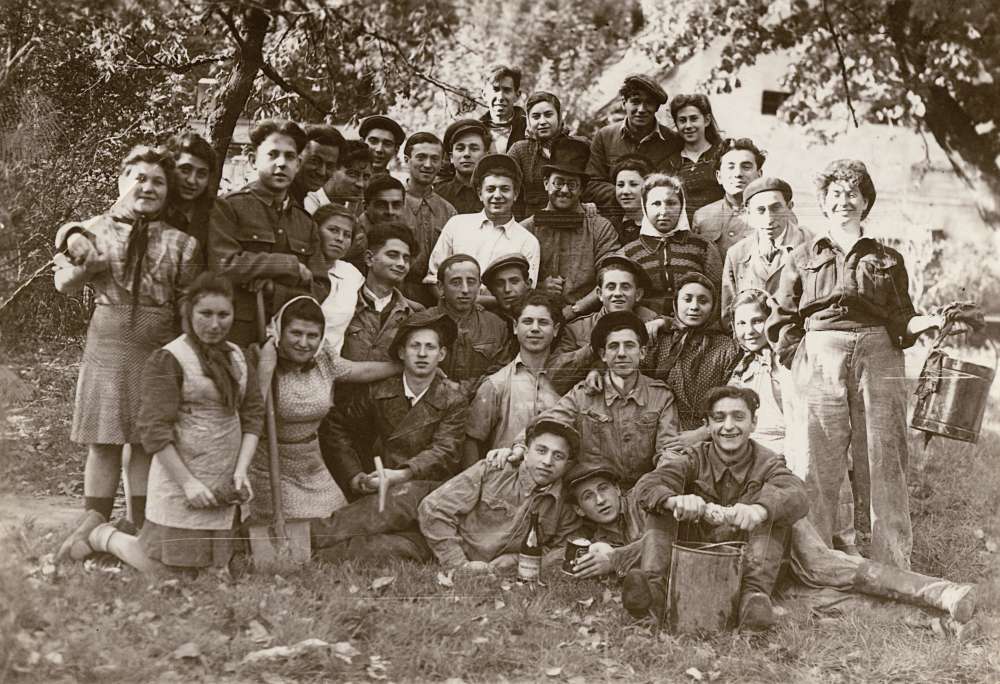
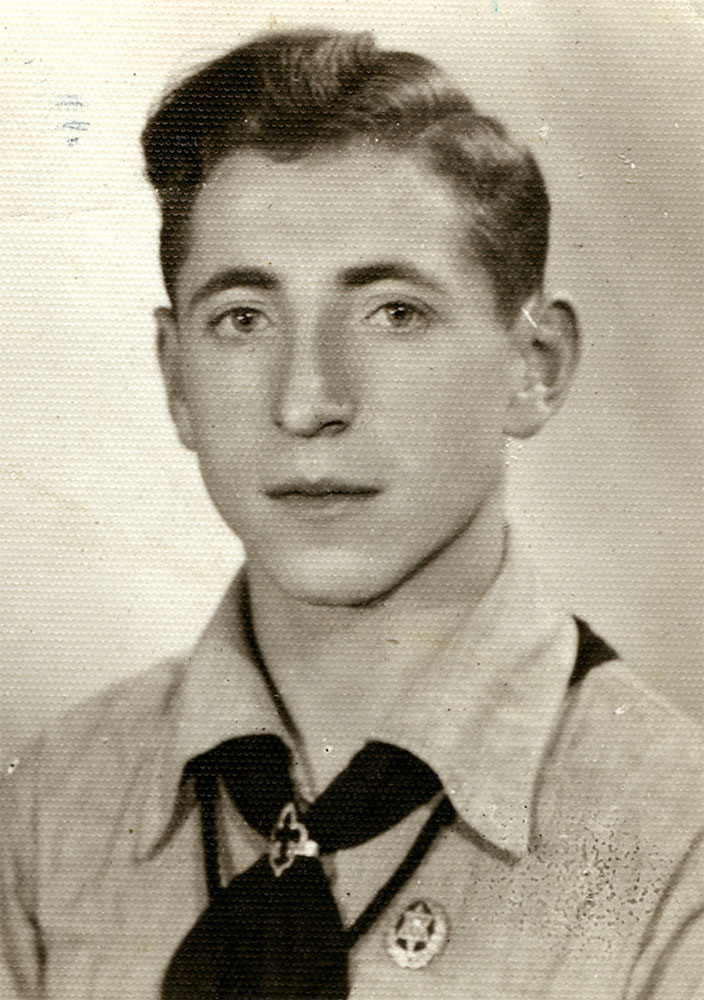
The city became known as the Polish Jerusalem. A year after the war, over 12,000 Jews lived there, primarily repatriates from the USSR and survivors of the Gross-Rosen camp system. Dzierżoniów was the second-largest post-war Jewish hub in Lower Silesia, surpassed only by Wrocław. The proximity of the Sportschule sub-camp (Arbeitslager Langenbielau I) and the intact infrastructure of the city — including apartments, factories, and farms — encouraged survivors to settle there. Nearby Bielawa also became a home for survivors, hosting about 5,000 Jews who established nurseries, schools, clinics, and the nationally known Wolność (Freedom) sports club. Józef Wancer, who arrived in Bielawa as a child, wrote in his autobiography My Way: “In Bielawa, there was much talk of the Germans, of the war. Most of all, people spoke of death camps, ghettos, lost loved ones, and gulags.”
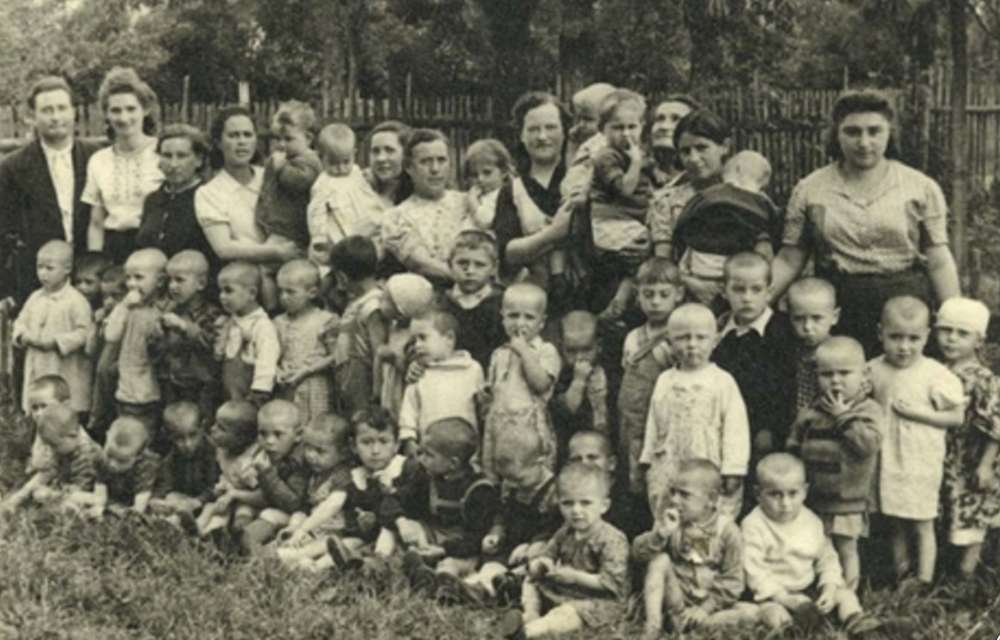
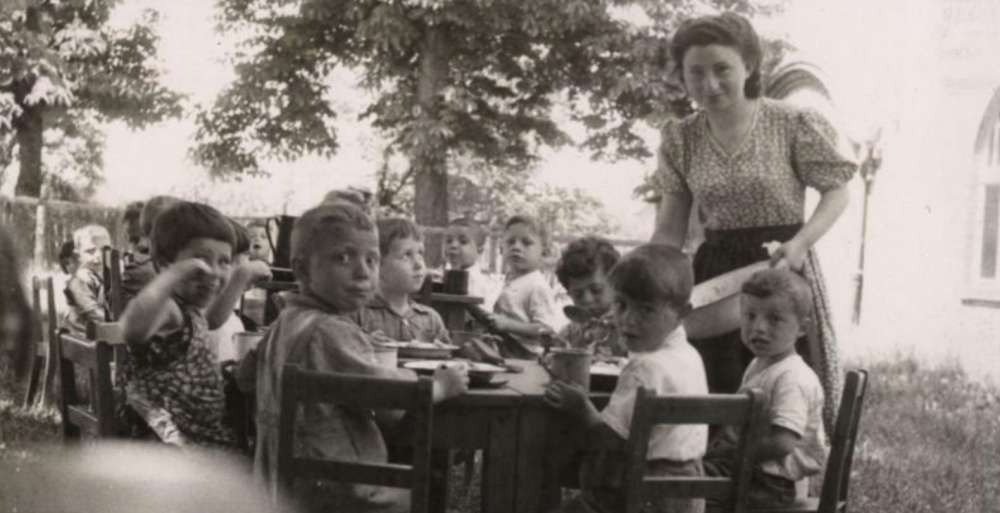
A fascinating history is also linked to nearby Pieszyce (formerly Peterswaldau). In August 1945, the Janusz Korczak Orphanage was established there to care for Jewish children, mostly survivors of the Majdanek concentration camp. The facility exists to this day, though it was nationalized in 1950. Post-war Jewish institutions often sought to implement the pedagogy of Janusz Korczak — who was murdered during the Holocaust — emphasizing independence, cooperation, and co-education.
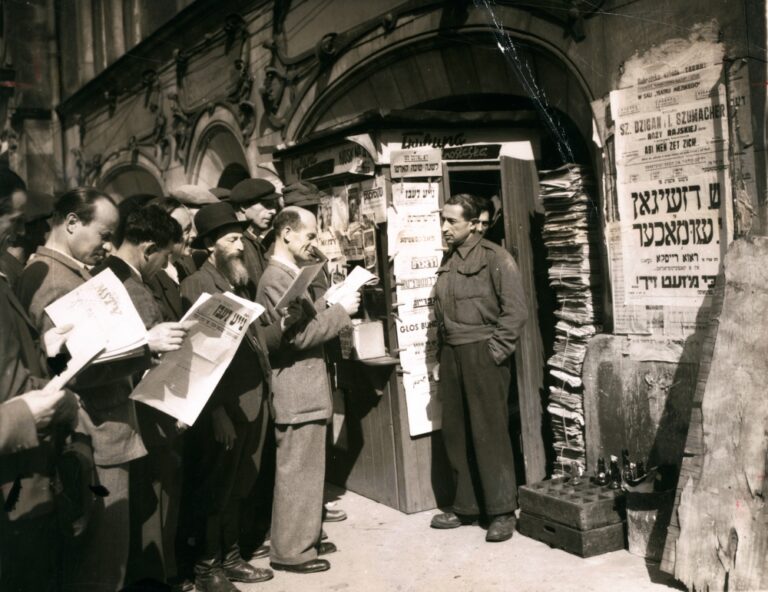
By 1946, the Jewish settlement was vibrant. Yiddish could be heard on the streets, and posters and shop signs were written in the language. One of the first rabbis of the new community was Mordechai Shapiro (later known as Morris Shapiro), who came from an ultra-Orthodox family in Biłgoraj. He later emigrated to the United States, becoming a distinguished Talmudic scholar at the Jewish Theological Seminary in New York.
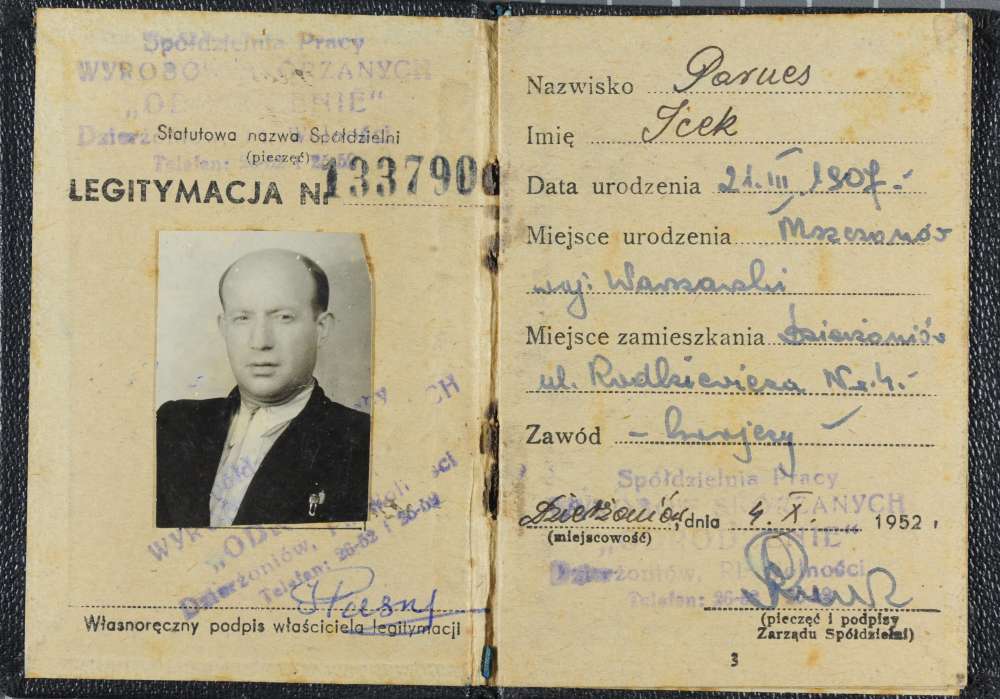
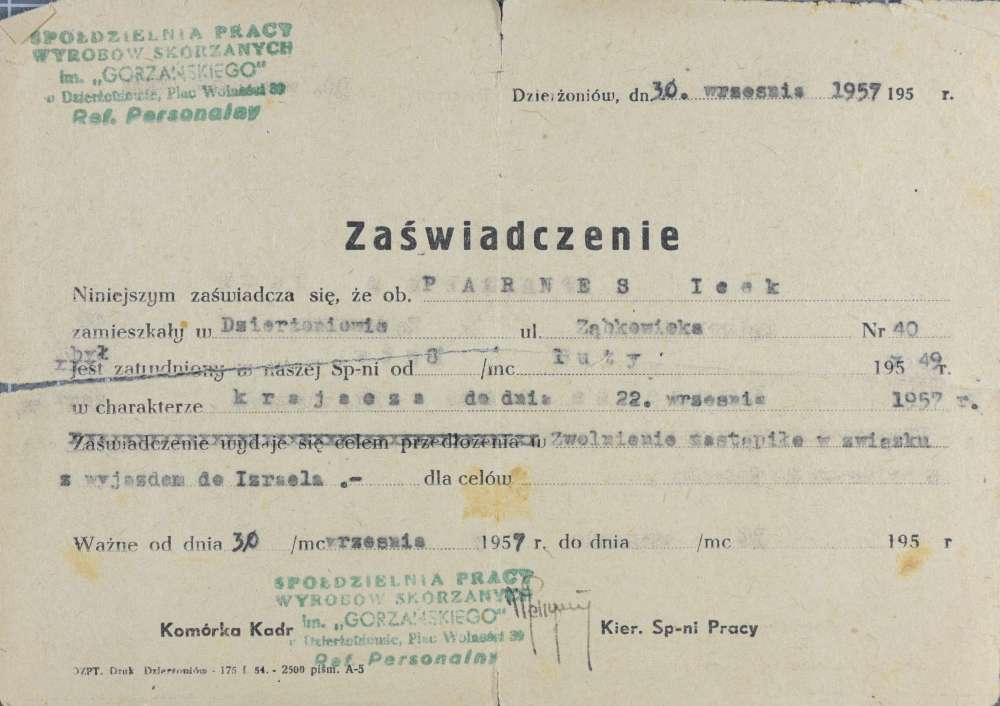
Professional, educational, and health institutions were built from scratch, largely thanks to financial aid from the Joint (American Jewish Joint Distribution Committee). Medical care was a priority, leading to the establishment of TOZ (Society for the Protection of the Health of the Jewish Population in Poland) centers. Numerous cooperatives were also founded, such as “Elektromet” and “Odrodzenie” (Rebirth), producing everything from brushes to electrical components. Jewish-run farms were often modeled after kibbutzim.
Among the dozens of post-war organisations, it is also worth highlighting the Jewish Cultural Centre and a Jewish musical theatre company specialising in small-scale productions, which performed for audiences of hundreds – including during guest performances in other towns across Lower Silesia. The town was also home to a Jewish school, a kindergarten, a nursery, as well as boarding schools and institutions providing after-school care. The curriculum in post-war Jewish schools was based on the national curriculum, but the language of instruction was Yiddish. Children could also study Hebrew, Jewish history and culture. Education, however, was not limited to children. Vocational courses were organised for older young people and adults, offering training in subjects such as tailoring, the basics of electrical engineering and mechanics, as well as typing. These courses were provided as part of the activities of ORT (the Organisation for the Development of Industrial, Craft and Agricultural Skills among the Jewish Population in Poland). Meanwhile, the WIZO Zionist Women’s Circle organised, among other activities, foreign language courses in English and Hebrew for those planning to emigrate. Jews in Dzierżoniów could also join the Jewish sports clubs Start and Spójnia, or become members of a Jewish youth folk dance group.
The chronicle of the Social and Cultural Association of Jews in Poland contains an illustrative entry documenting activities in Dzierżoniów in 1956: “At the Jewish Club, performances were given by pianist Włodzimierz Załkind, L. Toper and Ruben Oguza. After a break of several months, the amateur artistic groups also resumed their activities. The drama group is preparing a programme to commemorate the anniversary of the liquidation of the Vilna Ghetto. Polish language courses are being organised for the children of Jewish repatriates.”
Post-war life in Dzierżoniów, with all the vibrancy and diversity of the Jewish revival in the aftermath of the war, is also portrayed by Helena Lindskog in her autobiographical book “Miejsce urodzenia: Dzierżoniów” . Among other things, she writes: “Jewish cultural and political organisations began to emerge. Those who had survived wanted to live. Yet the history of the Jewish community in Dzierżoniów came to an end remarkably quickly. The Kielce pogrom in July 1946 frightened many Polish Jews. They began looking towards other places in the world.”
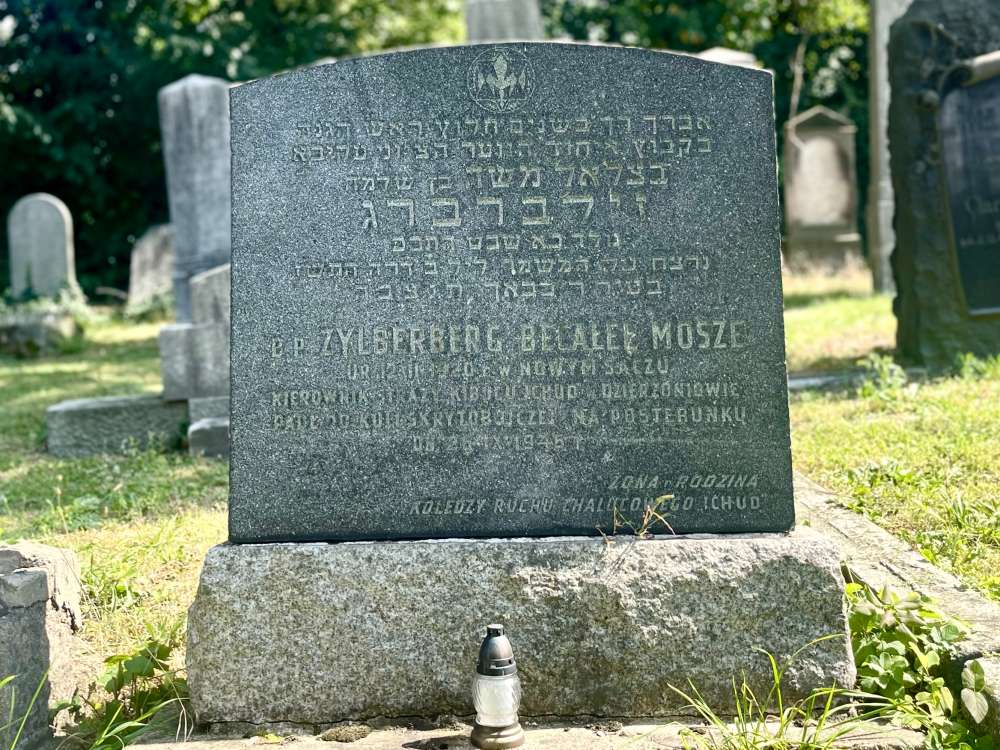
Among the dozens of post-war organizations, the Jewish Cultural Center and a musical theater are noteworthy. Jewish schools taught in Yiddish, though they followed the national curriculum, with additional lessons in Hebrew and Jewish history. Vocational training for adults was provided by ORT (Organization for Rehabilitation through Training), offering courses in tailoring, mechanics, and typing. However, the rapid development soon began to decline. The precarious situation of Polish Jews, who continued to face hostility and pogroms (culminating in the Kielce Pogrom of 1946), spurred the decision to emigrate to Israel or the West. Many felt their stay in Lower Silesia was only temporary. At the Dzierżoniów cemetery, the headstone of kibbutznik Moshe Zylberberg bears the inscription: “Head of the Ichud kibbutz guard in Dzierżoniów, fell to an assassin’s bullet at his post on September 26, 1945.”
After 1948 and the creation of Israel, the Communist authorities increasingly moved against Jewish autonomy, nationalizing institutions and restricting self-organization. The only secular Jewish organization allowed to operate was the Social and Cultural Association of Jews (TSKŻ), founded in 1950. By 1950, only a few thousand Jews remained in Dzierżoniów, and the number continued to fall. After the fall of communism, little remained of the post-war prosperity. Today, the main monument to this community is the restored synagogue. Though small, the Jewish community still maintains ties through meetings organized by the local TSKŻ.