Urszula Rybicka
Jews inhabited Kłodzko (Glatz) as early as the Middle Ages — the beginning of their presence in the city dates back to the 14th century. At that time, a Jewish cemetery existed at the corner of today’s Czeska and Armii Krajowej streets. Unfortunately, like in dozens of other places, it was razed to the ground after the Jews were expelled from the city. The fate of the Kłodzko Jewish community depended not only on the ruling monarch but to an equal extent on public sentiment. As in Wrocław, in the 15th century, the inhabitants of Kłodzko succumbed to the anti-Semitic sermons of John of Capistrano and expelled the Jews. In many European cities throughout various historical periods, Jews were accused of host profanation, among other things, which led to anti-Semitic attacks and pogroms. Sadly, four centuries had to pass before Jews could legally and officially resettle in Kłodzko. Under the Prussian Edict of Emancipation of 1812, the Jewish community was able to be reborn and, consequently, grow and gain social, political, and economic significance. Many liberal Jewish families used this time to fully assimilate and climb the social ladder.
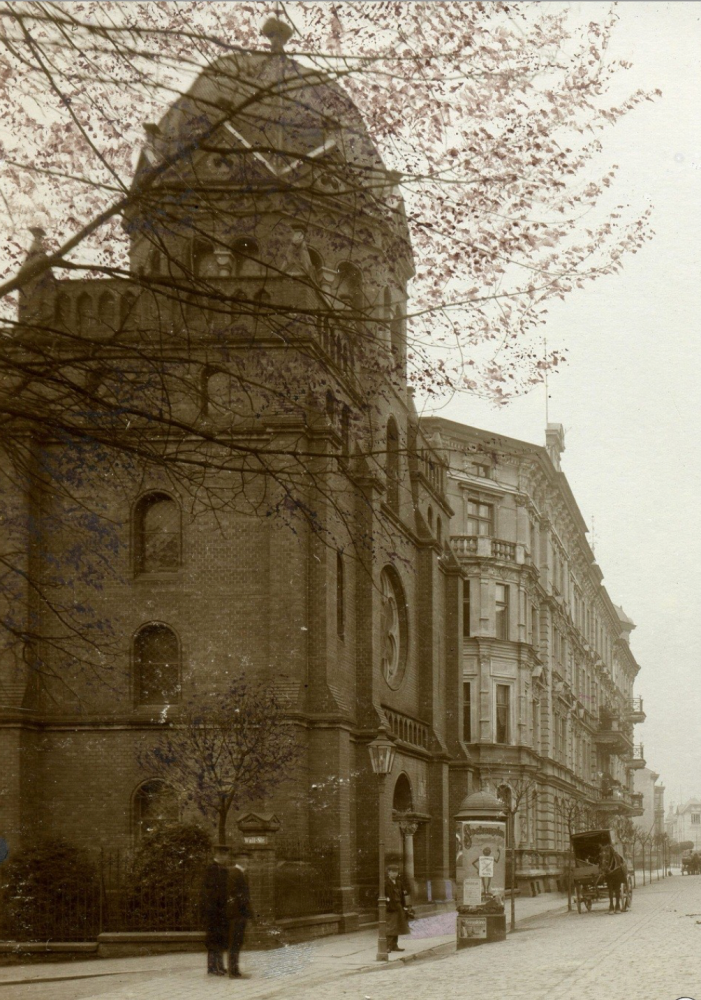
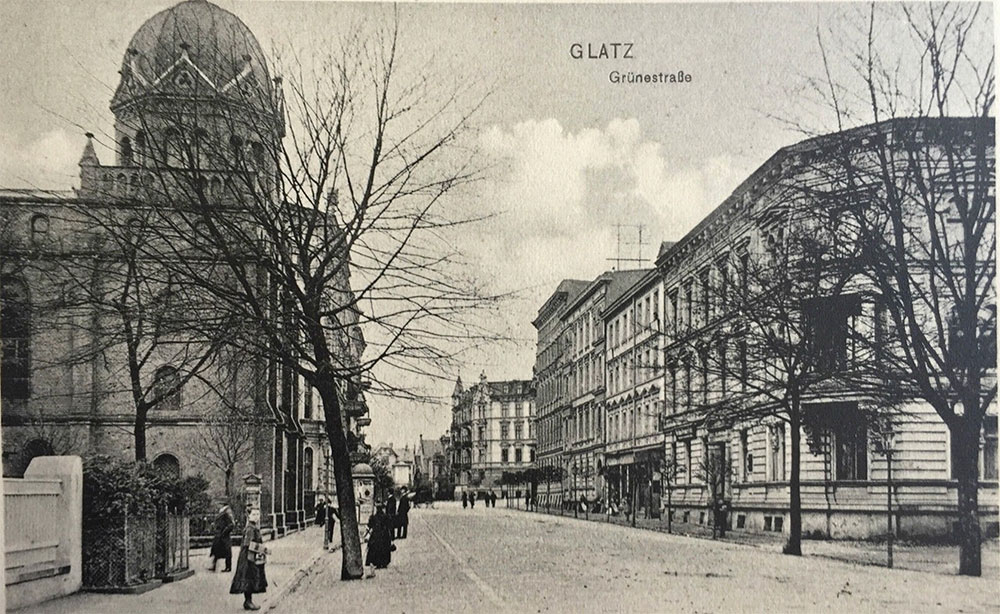
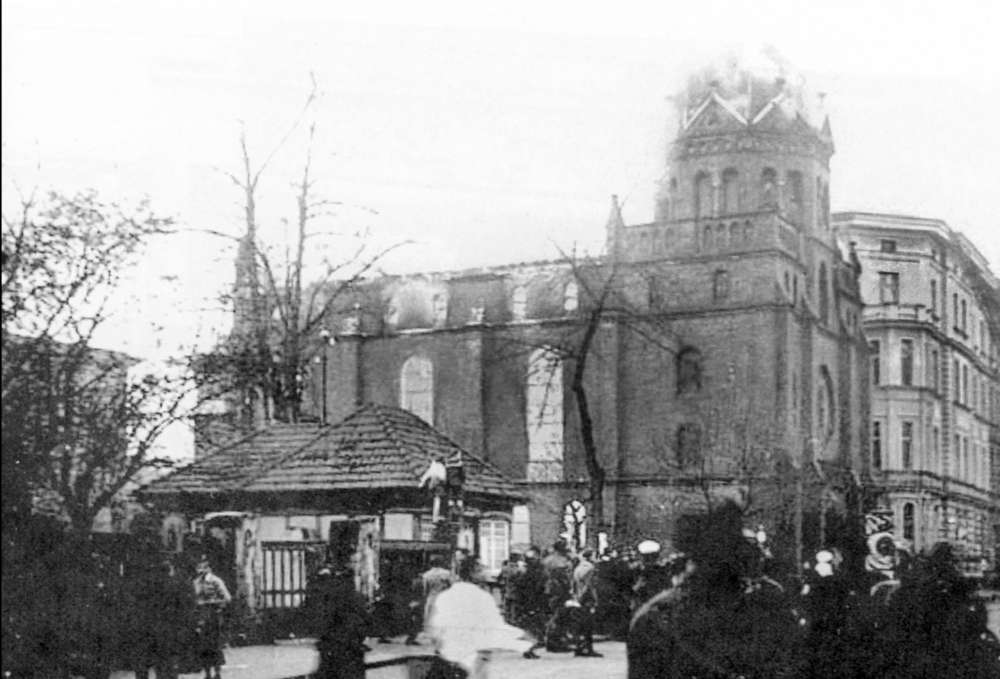
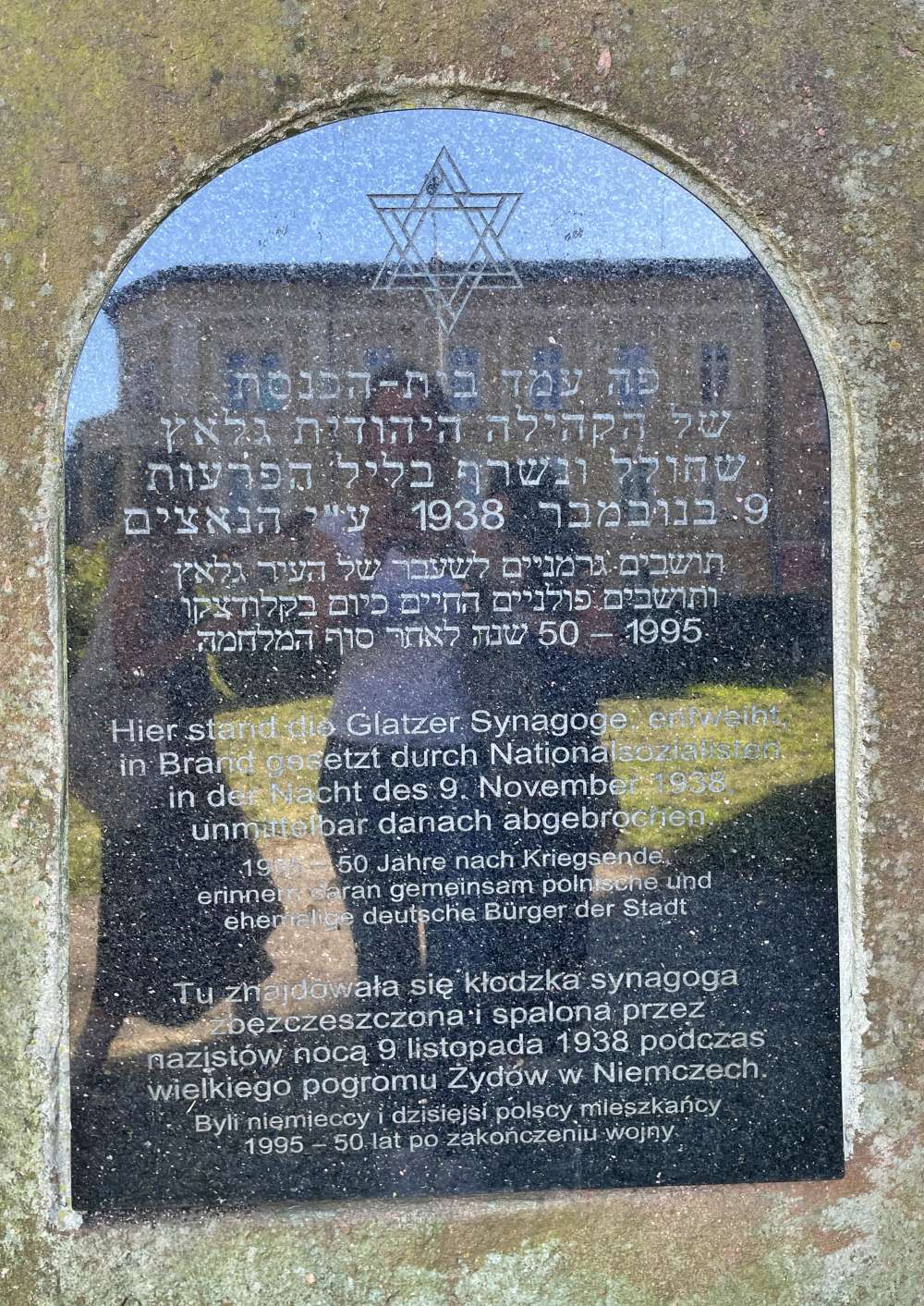
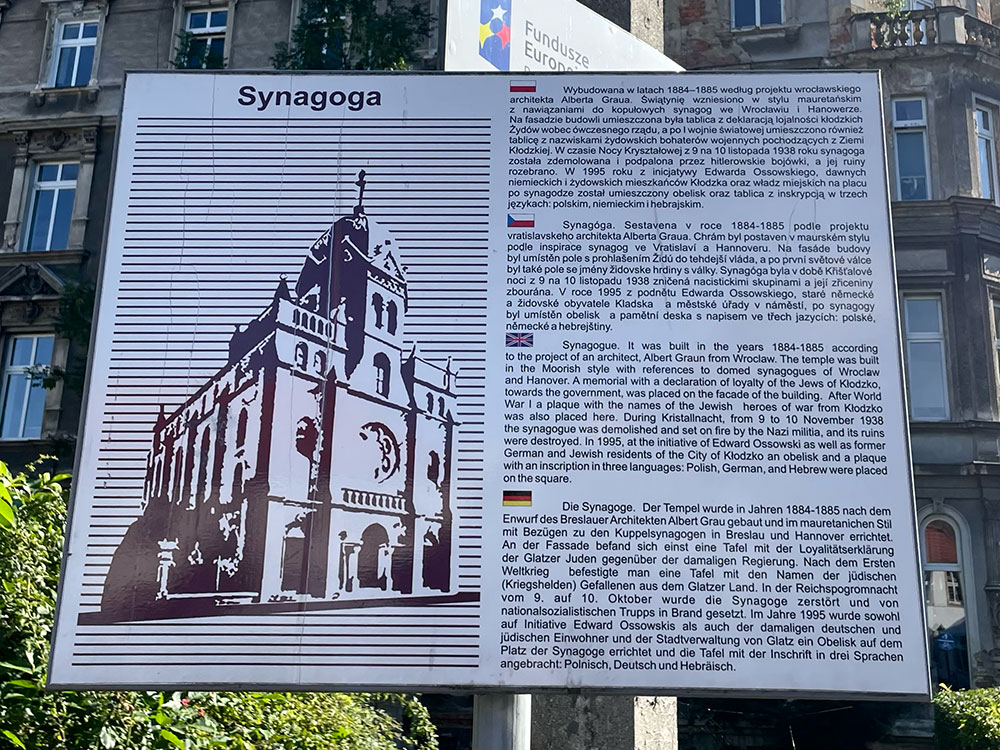
An imposing synagogue for the dynamically growing Jewish community was built in 1885, designed by the well-known and respected Wrocław architect Albert Grau, who was responsible for many projects in the center of Wrocław. The synagogue accommodated about 230 people — services were attended by both Kłodzko Jews and those living in surrounding towns. As in many German synagogues of that era, it featured an organ. The end of this house of prayer came with the Kristallnacht pogrom on 9th November 1938 during a nationwide anti-Semitic action, Nazi militias destroyed public and private Jewish property and arrested many Jews. The Kłodzko synagogue was set on fire, and its ruins were later demolished. This was not only a deprivation of a majestic building but, above all, the annihilation of a symbol of their spiritual and religious life. A modest monument that currently commemorates the house of prayer is located in the square at the corner of Wojska Polskiego and Zawiszy Czarnego streets. It was erected 50 years after the end of the war and since then has reminded both residents and the many tourists visiting the Kłodzko region of its centuries-old connection to the Jewish community.
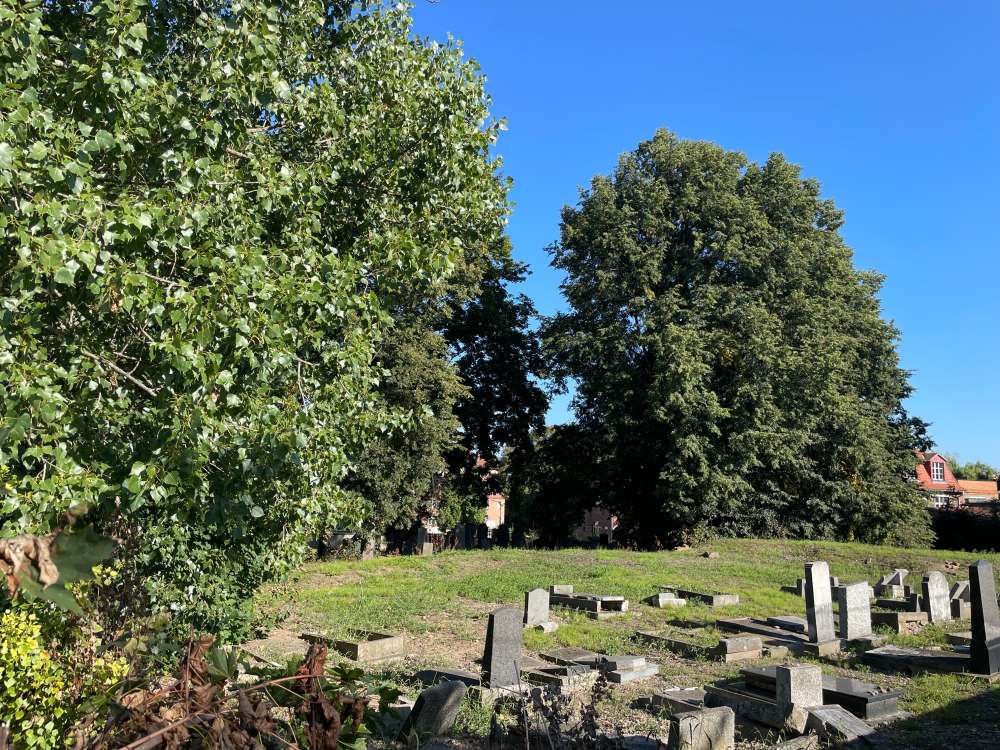
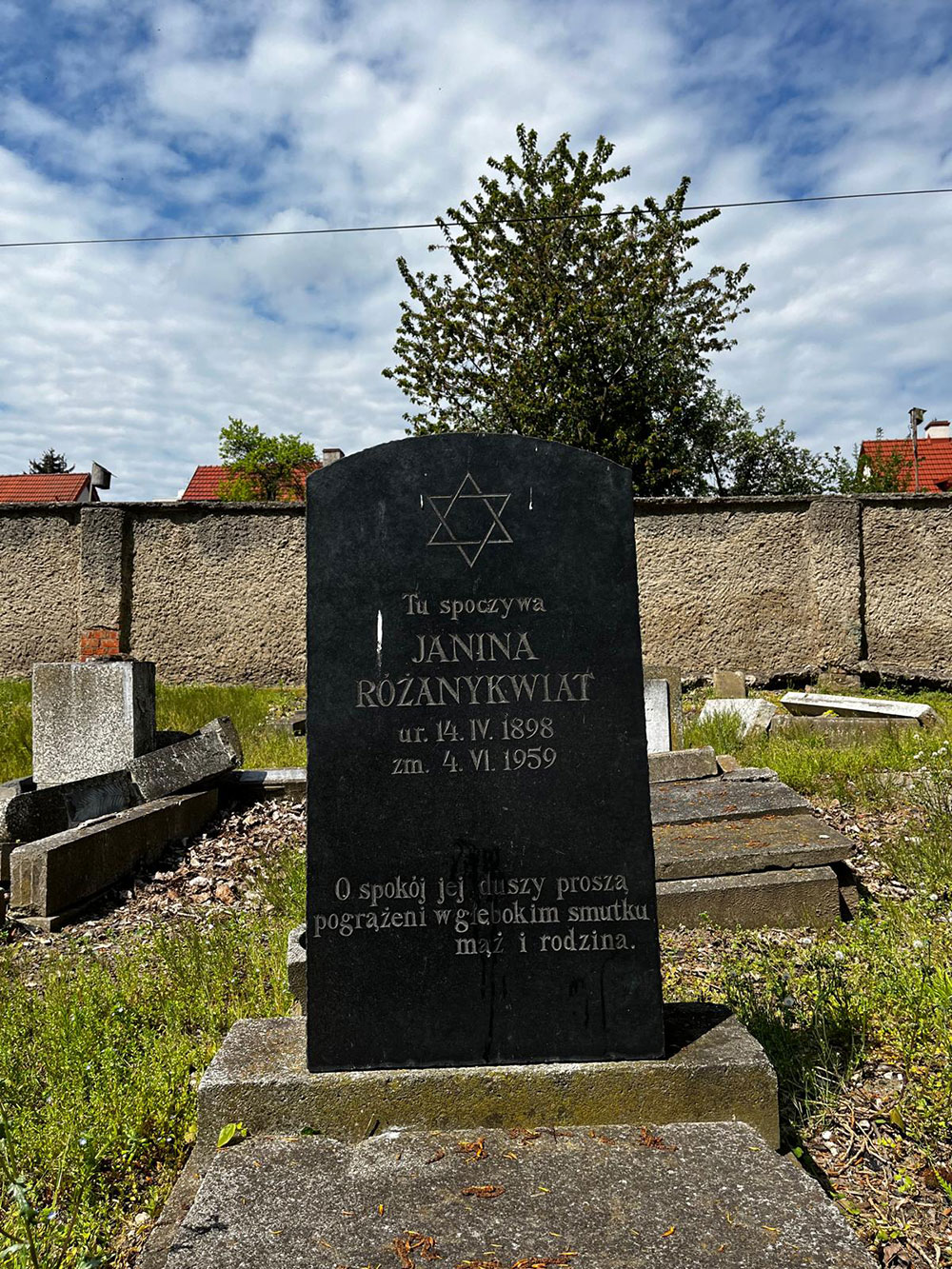
It is an interesting fact that the first Jewish cemetery in Kłodzko was a small, private necropolis located at today’s Plac Jagiełły, which served as the burial site for the Selig Caro family. Although he hailed from Świdnica, he lived in Kłodzko, where he later led the local Jewish community. His family cemetery was closed (and razed at the end of the 19th century) when a public Jewish necropolis was opened. The cemetery in question was located on today’s Bohaterów Getta Street. It was established in 1825 and operated for nearly two decades during the Prussian period. An exception is the mass grave of Jews murdered during the Holocaust, who were buried there at the end of World War II. The pre-war cemetery primarily served assimilated and influential burghers, which can be seen in the architectural style of the gravestones — they resemble the small architecture of German cemeteries rather than traditional Jewish ones. This is, of course, related to the acculturation of Silesian Jews, which is visible in many cemeteries in this part of Europe. In the post-war period, Polish Jews living in Kłodzko and its vicinity were also buried here. The cemetery operated until 1974 — the necropolis was then closed, and members of the community were buried at sites such as the New Jewish Cemetery in Wrocław. In 2006, after the renovation of many gravestones, the necropolis was entered into the register of historical monuments. Currently, the cemetery is in the hands of the Wrocław Jewish community, but unfortunately, its gates remain closed, and this historic site cannot be visited.
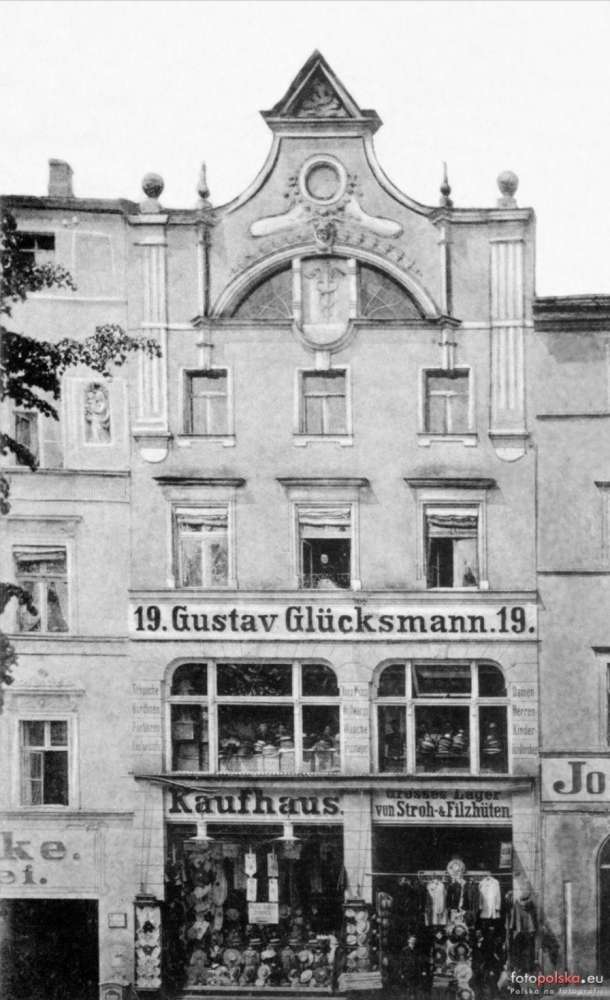
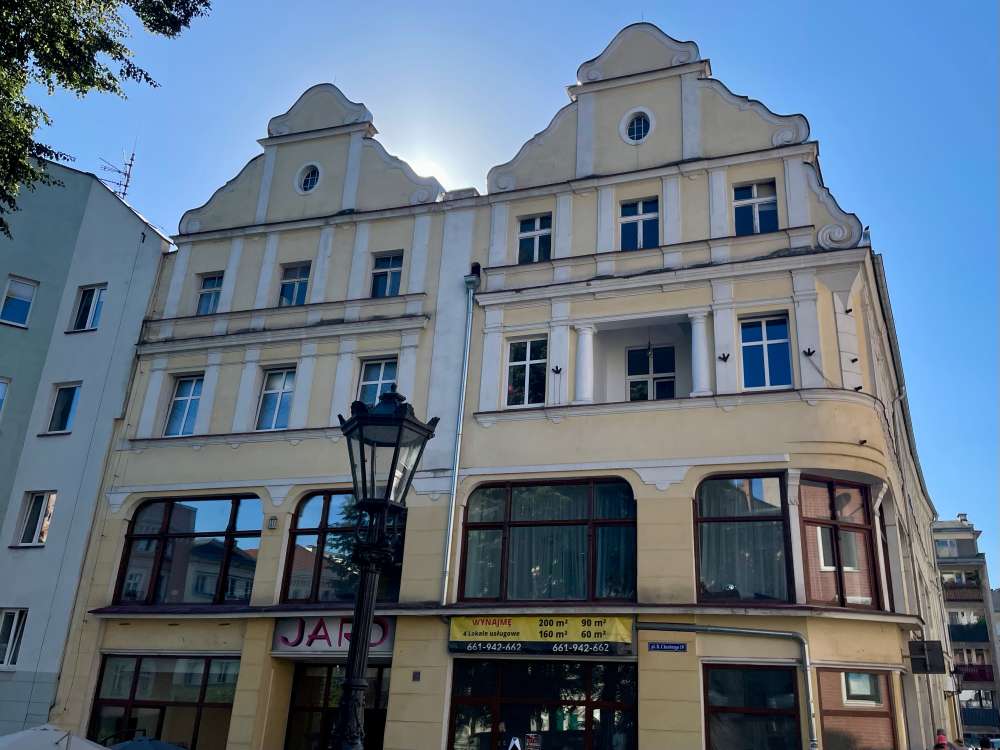
One of the most interesting monuments reminding us of the economic golden age of Kłodzko’s Jewish community is the pre-war department store of Gustav Glücksman, located at 19 Bolesława Chrobrego Square. It was one of the first department stores in Kłodzko, founded at the end of the 19th century. This was a period of great development for department stores, not only in Silesia, and in many cities, most of them were run by Jewish merchants. Every city in the region had at least one such fashion house where high-quality textiles, home furnishings, or sought-after colonial goods could be purchased. At Glücksman’s, high-end clothing and haberdashery were sold. His department store was so successful that just a few years after opening, the owner decided to buy the neighboring tenement house, doubling the size of his shop. Customers included both Kłodzko burghers and those arriving from surrounding towns. During the expropriation of Jewish assets in the 1930s, the Germans seized Glücksman’s department store. The merchant and his wife were murdered in 1942.
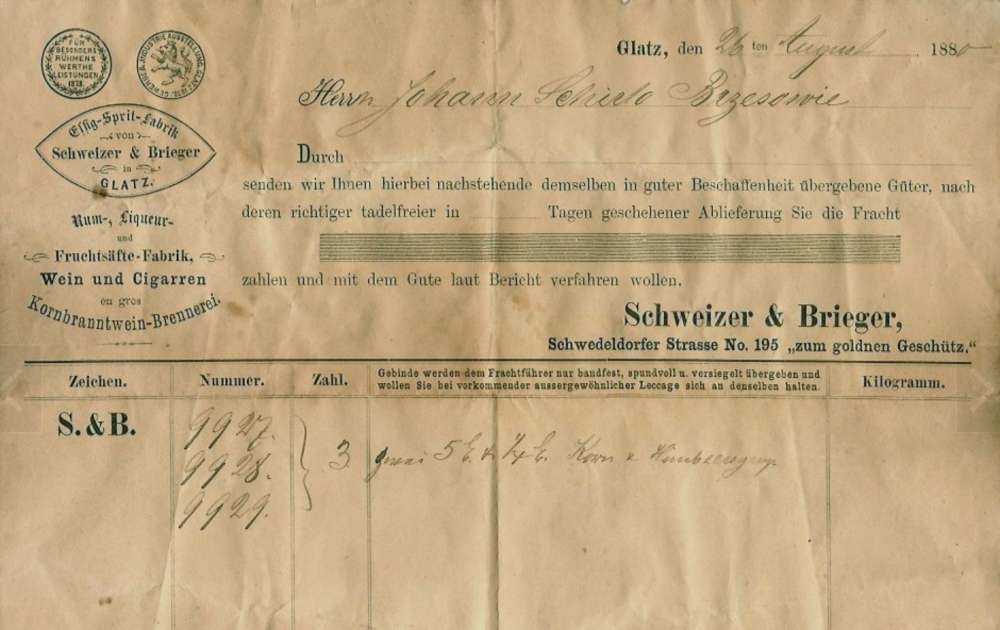
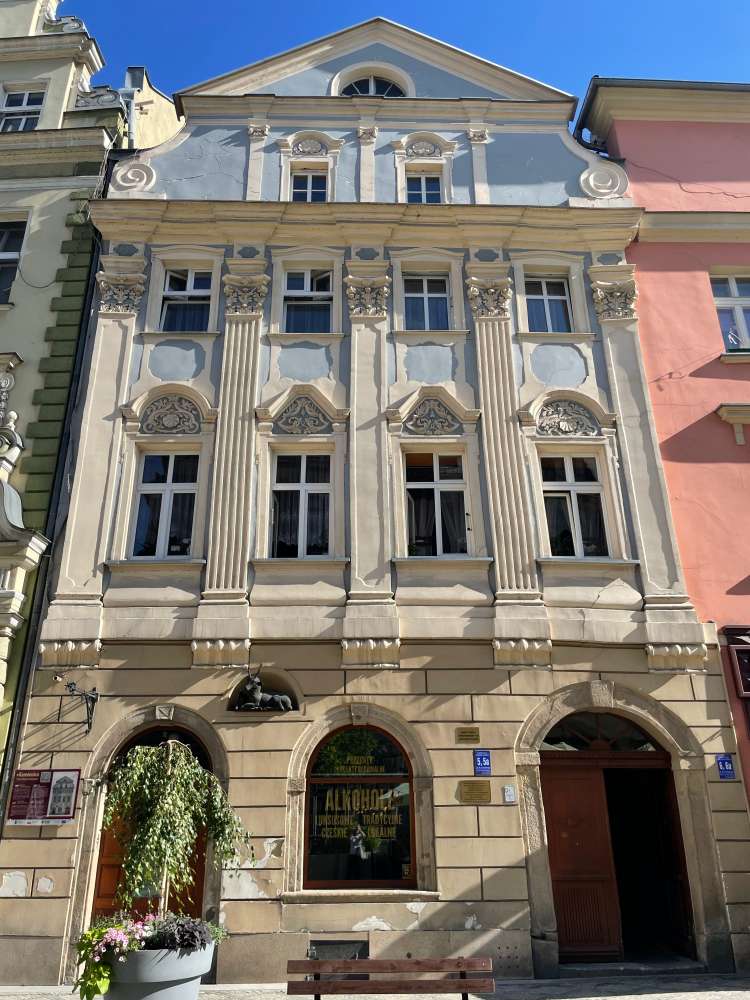
Another equally interesting monument testifying to Jewish activity in Kłodzko is the substantial building located at the intersection of Czeska and Browarna streets. In 1860, two manufacturers, Robert Schweizer and Carl Brieger, opened a liquor distillery there. One of the largest enterprises in the city, it enjoyed success beyond the local arena and grew dynamically in the following decades. A company store operated at the factory, selling spirits and liqueurs. They also supplied households with grain vodka, rum, vinegar, juices, fruit preserves, wine, and cigarettes. Unfortunately, the process of expropriating Jews also affected this enterprise — the owners had to surrender their property to the Germans for a pittance. Today, the tenement house is restored, though few people know it is an important element of the urban fabric testifying to a great Jewish heritage.
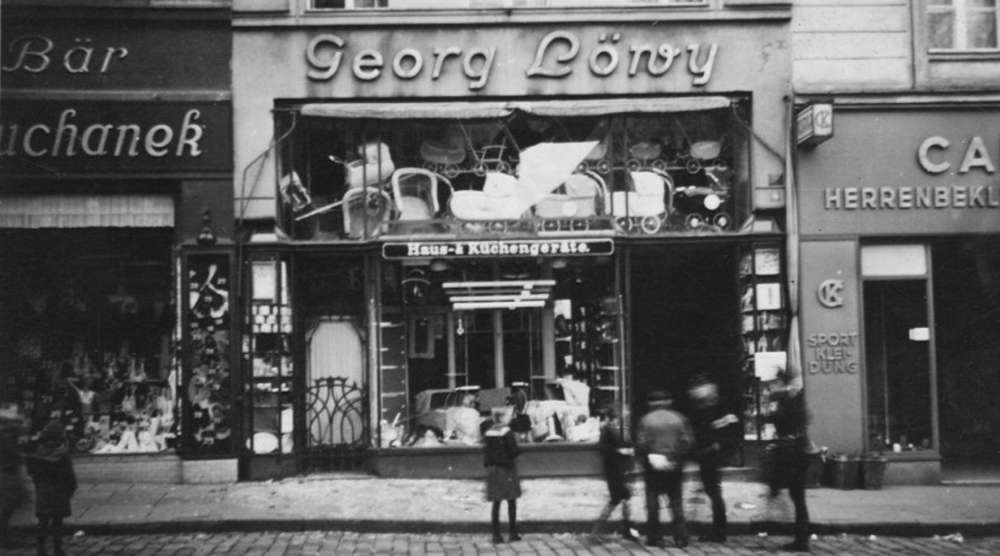
On the Kłodzko Market Square (Rynek), in the tenement at number 5, was the Under the Golden Stag Pharmacy (Apteka Pod Złotym Jeleniem), run by Max Lewy since the early 20th century, famous for its original recipe and production of so called Jerusalem Balsam. Meanwhile, at number 10, Georg Loewy’s general store operated for years, selling haberdashery, leather goods, toys, dishes, porcelain, and household items. Like most Jewish shops, this business fell victim to the Kristallnacht pogrom in November 1938, when Nazi militias smashed the glass in Jewish shopfronts. This dark event in Kłodzko was captured in a photograph, which is a true rarity. It was from the broken glass of these shop windows that the nationwide Kristallnacht pogrom took its name, marking the beginning of a centrally fueled, aggressive, and unrestrained attack on Jews.
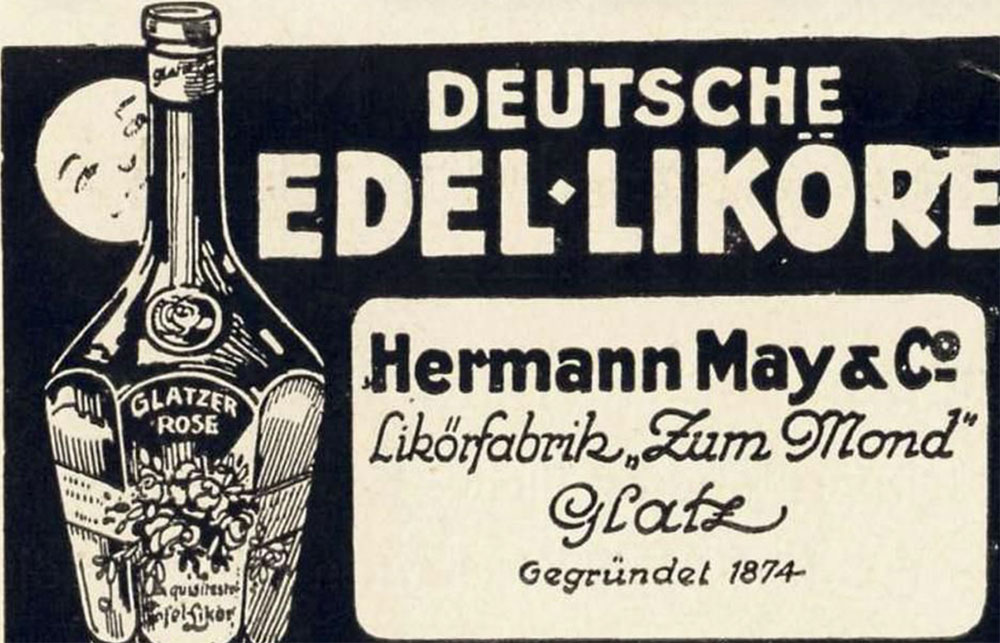
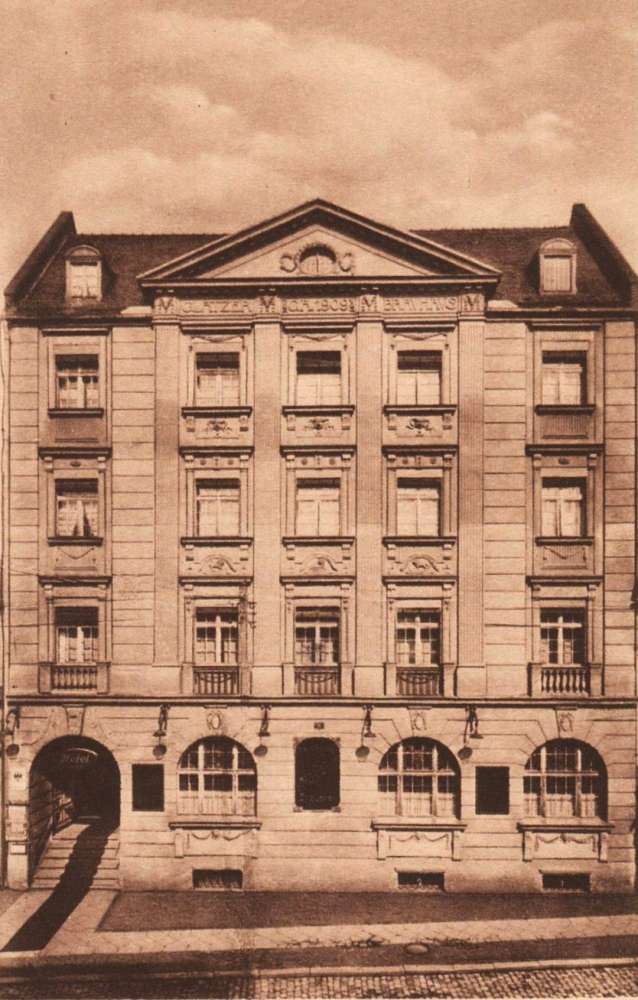
An example of pre-war economic prosperity was also the thriving industry at the intersection of today’s Śląska and Moniuszki streets. Jewish manufacturer Hermann May purchased a former brewery and produced liqueurs, jellies, jams, and fruit juices there. One of the flagship products of the Under the Moon Factory was a rose liqueur called Glatzer Rose, which was immensely popular. In the 1930s, the Nazis forced the family to sell the property to a German entrepreneur. Additionally, the Glatzer Hof hotel at today’s 5 Połabska Street was managed by the Jewish Ascher family. In the 19th century, they also ran a brewery (located next door), which they sold to the aforementioned May family. The modern and luxurious hotel, built at the beginning of the 20th century, encouraged wealthy travelers to stay and tempted Kłodzko residents to spend time there. The building housed an excellent restaurant and a performance hall; it was a place for intimate meetings and grand receptions. Both the hotel and the neighboring factory survived the war in good condition. Since Kłodzko’s architecture did not suffer significantly during the war, many Jewish heritage sites are still within reach here.
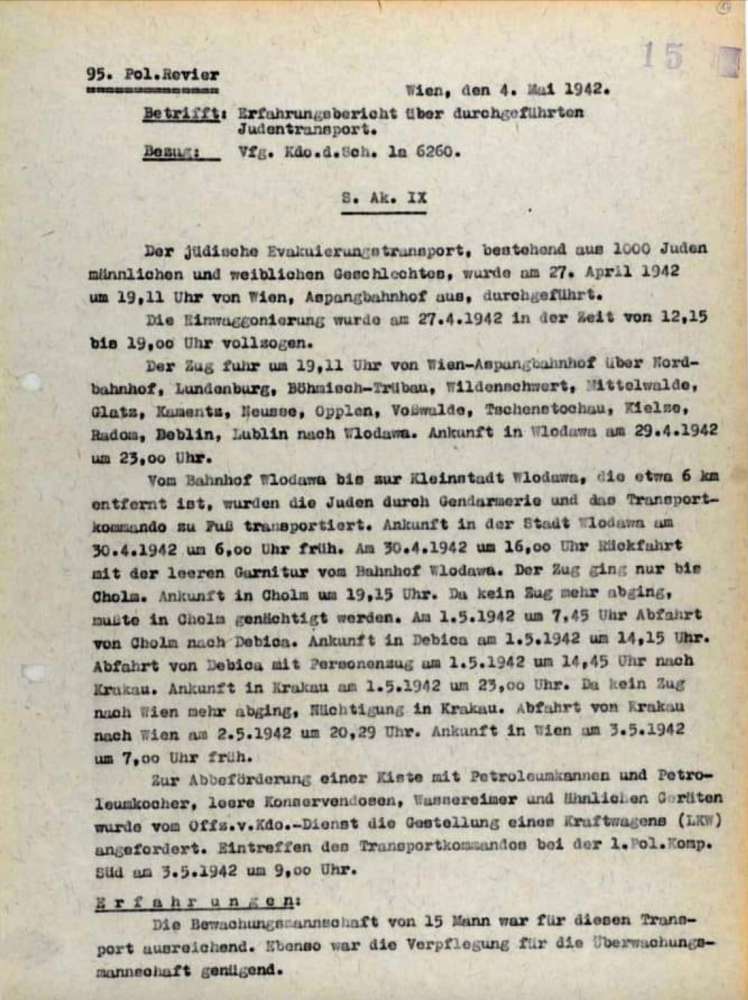
At the end of the 19th century, about a hundred Jews lived in Kłodzko — though it was not a large group, they influenced the city’s economic development. When the Nazis introduced the first anti-Jewish laws, many Kłodzko Jews emigrated. However, those who were unable to do so before the outbreak of the war — estimated at around forty people — were murdered during the Holocaust. Transports of thousands of Jews from Western Europe also passed through Kłodzko on their way to ghettos and death camps. In April 1942, a transport of one thousand Austrian Jews passed through Kłodzko on its way to the Włodawa ghetto, from where they were later deported to the Sobibór extermination camp. Kłodzko Jews were also taken to transit camps and then to concentration and death camps. Silesian Jewish communities were annihilated in this way, and the renewal of life could only take place after the surrender of the Third Reich.
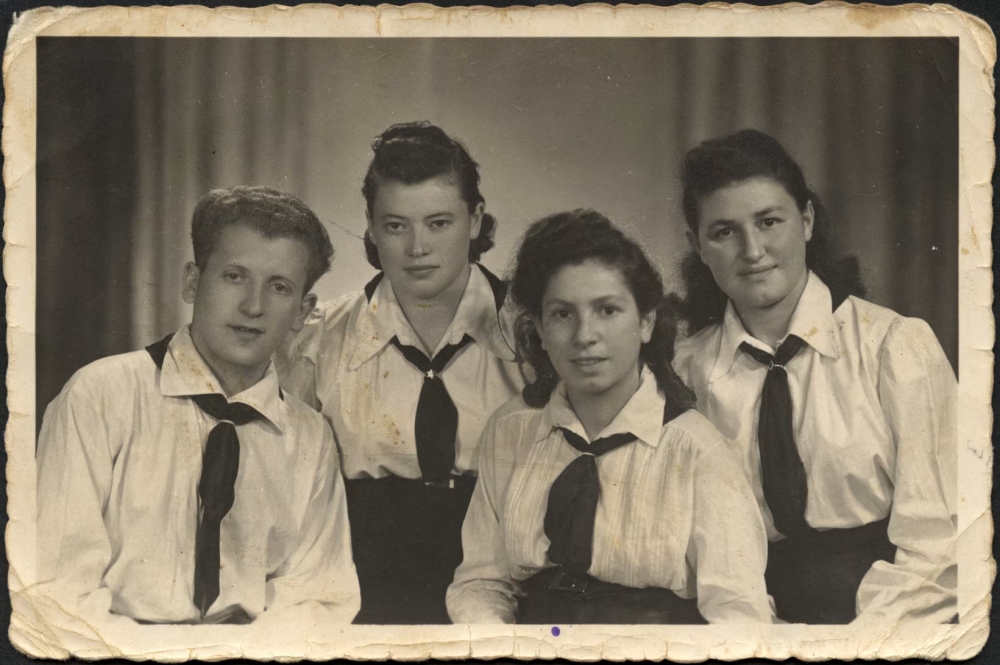
Like many Lower Silesian cities, Kłodzko saw the arrival of Polish Jews who had survived the Holocaust after the war. The Ludwigsdorf labor camp was located nearby, where mostly Jewish women were imprisoned at the end of the war; after liberation, they went to surrounding towns. Central authorities also directed repatriation transports of Jewish survivors to the Kłodzko lands. Kłodzko was a good home for them because it had not suffered from war damage like Głogów or Wrocław. At the same time, it was not as attractive a place to live as Dzierżoniów, Bielawa, or Wałbrzych. A year after the end of the war, almost three and a half thousand Jews had settled in the city (out of nearly one hundred thousand Jews in total in Lower Silesia). Jewish committees and organizations were formed, working primarily to help survivors but also to rebuild and reorganize Jewish life. There was a Jewish school conducted in Yiddish, numerous cooperatives that employed dozens of Jews, as well as cultural and care facilities and a nursery. Many organizations functioned until the late 1940s, when, following a drastic change in party policy, Jewish institutions were nationalized, and only the Social and Cultural Association of Jews (TSKŻ) and the Religious Congregation were allowed to operate. However, many Jews decided to emigrate even before the communist authorities tightened their policies. An intriguing fact is that several dozen German Jews also came to Kłodzko after the war. They were initially issued special certificates (so they would not be treated as enemies — Germans), but later the authorities refused to issue such documents, viewing them through the prism of their German citizenship, forcing the group to leave Poland.
Due to its location near the border, Kłodzko became one of the centers of Jewish emigration. Therefore, a significant portion of the Jews arriving here stayed only temporarily, being on their way to their final destination. The Bricha organization operated here, helping people escape across the border to reach Western European countries and, in many cases, the British Mandate of Palestine. Furthermore, tightening socio-political tensions favored the decision to leave, causing the Kłodzko Jewish community to dwindle successively. The years of communism definitively sealed the decline of dozens of Polish Jewish communities, including Kłodzko. In the 1970s, the situation was so poor that the Kłodzko branch of the Social and Cultural Association of Jews was closed. Even subsequent democratic processes after the fall of communism did not reverse this trend — many representatives of the Jewish community left either for foreign countries or for larger Polish cities.