Urszula Rybicka
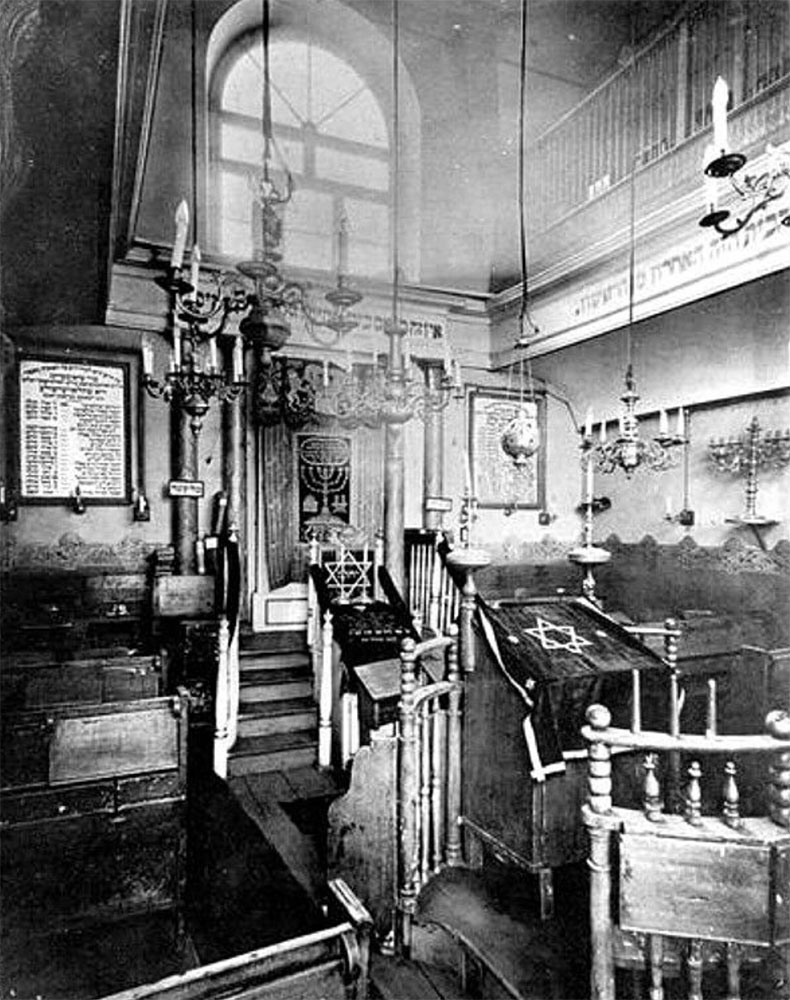
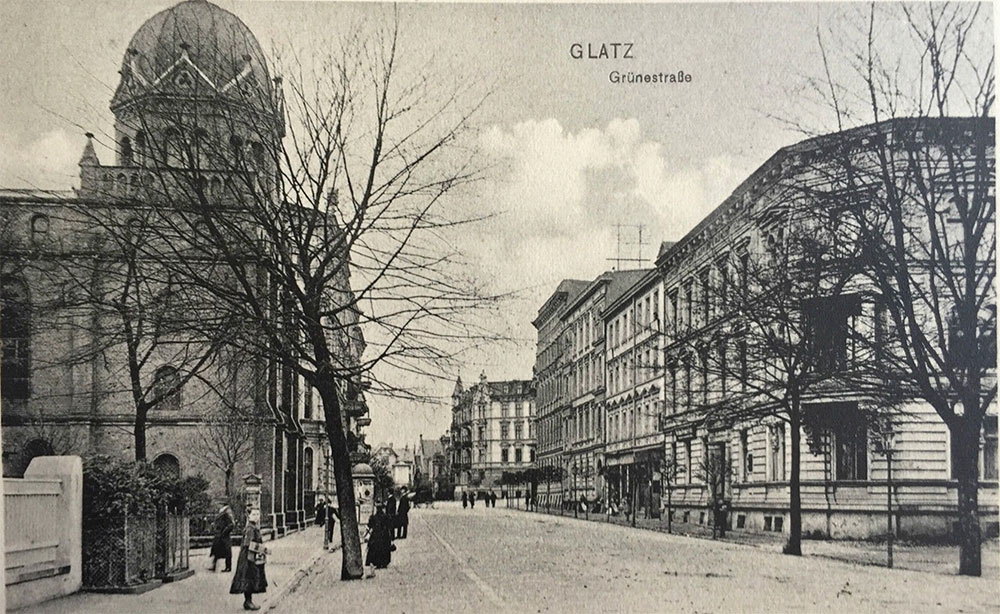
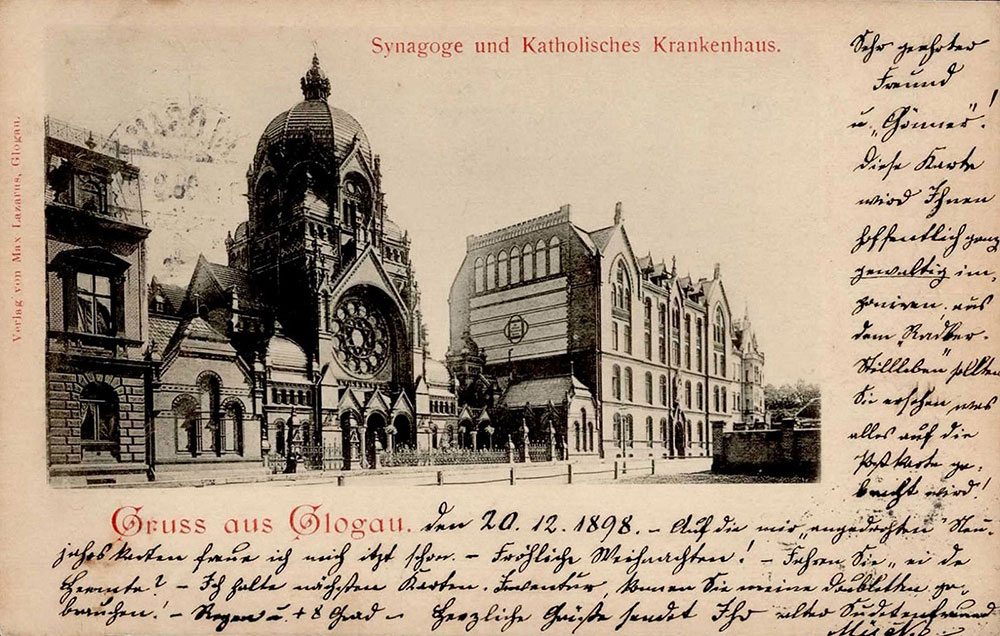
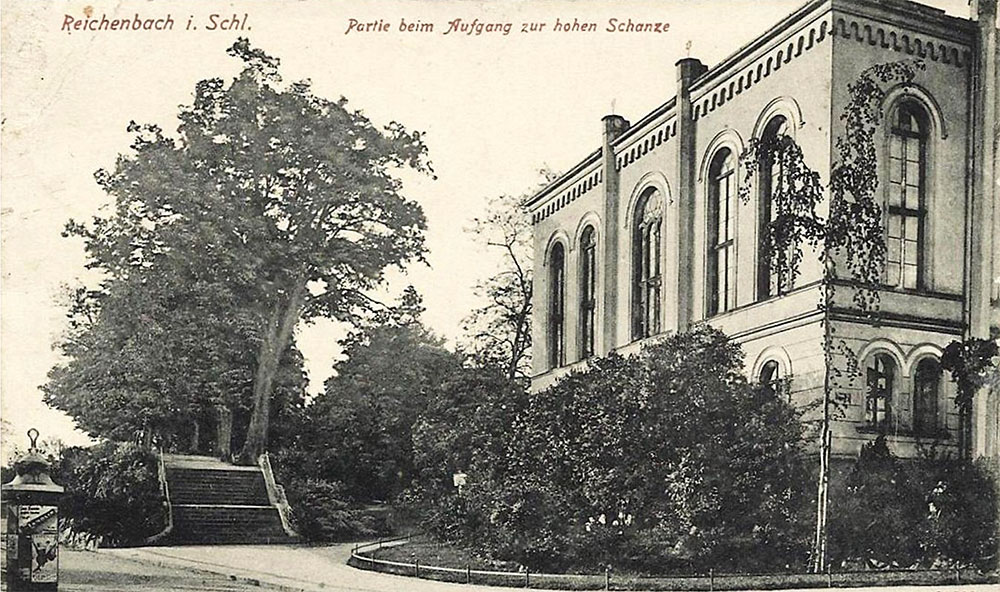
These stories often begin in the Middle Ages. In some towns and villages, they emerge in the early modern period. Yet everywhere they come fully into bloom in the nineteenth century. The Jewish communities in the places we describe share much in common, though we also show their individual growth, dynamics, and the distinctive character unique to each setting and time. Jews have been present here for centuries and, like other nations, helped shape this remarkable region. Antisemitism, pogroms, and ultimately two totalitarian regimes sought to erase their heritage and achievements. Eighty years after the end of the Second World War, we wish to underline the enduring importance of the Jewish community for the development of these lands. We have chosen ten towns to serve as the first illustration of this thesis: Bolesławiec, Dzierżoniów, Głogów, Jelenia Góra, Kamienna Góra, Kłodzko, Legnica, Strzegom, Wałbrzych, and Wrocław. Of course, they do not exhaust such a vast subject, but rather begin to open it.
One of the oldest traces of this community is the tombstone of cantor David from the year 1203, once located in the medieval Jewish cemetery in Wrocław and today the oldest fully preserved matzevah in Poland. In Głogów and Dzierżoniów Jewish life is also documented as far back as the thirteenth century, though the community may have existed there even earlier. It is worth noting that the lands of this region were highly attractive: their ideal location, wealth of natural resources, vigorous trade, and international exchange all encouraged settlement not only by Jews. Yet attitudes toward the incoming Jewish population shifted over the centuries, depending on the ruling power in Lower Silesia at the time, as well as on social, economic, political moods and the stance of the Church (both Catholic and Protestant). Here we can observe the full spectrum of positions along the scale of tolerance: from its absence, expressed in the privilege de non tolerandis Judaeis in certain towns, to the granting of municipal rights defined by emancipation edicts in most cities. Lower Silesia was not free from pogroms, expulsions, or arson, and the activity of the Italian inquisitor John of Capistrano marked one of the darkest periods for Jews in this part of Europe, for it was in Wrocław, Kłodzko, Legnica, and Świdnica that he incited the faithful, accused Jews of heresy, and provoked pogroms.
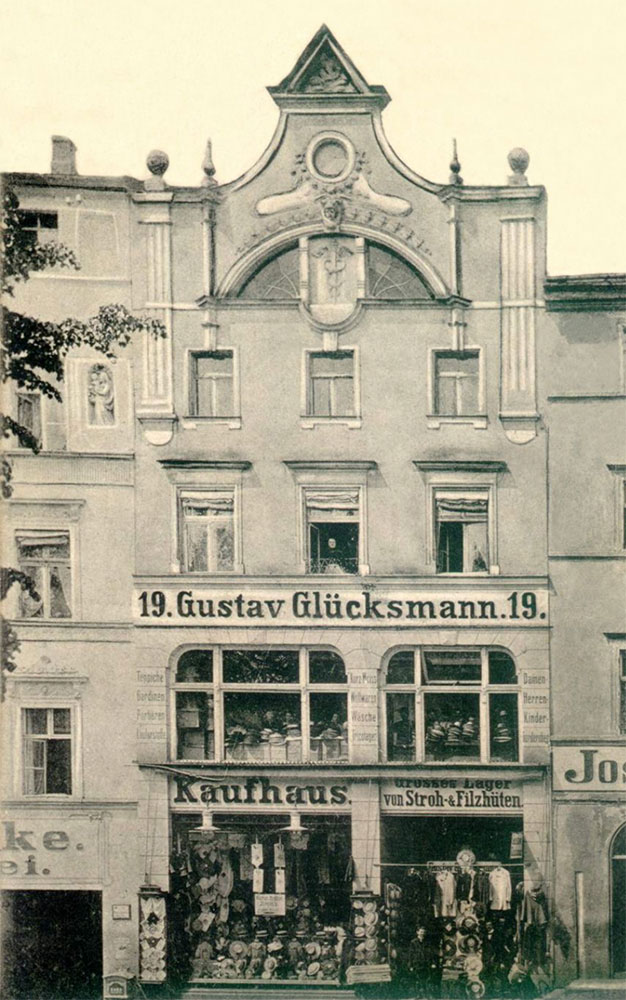
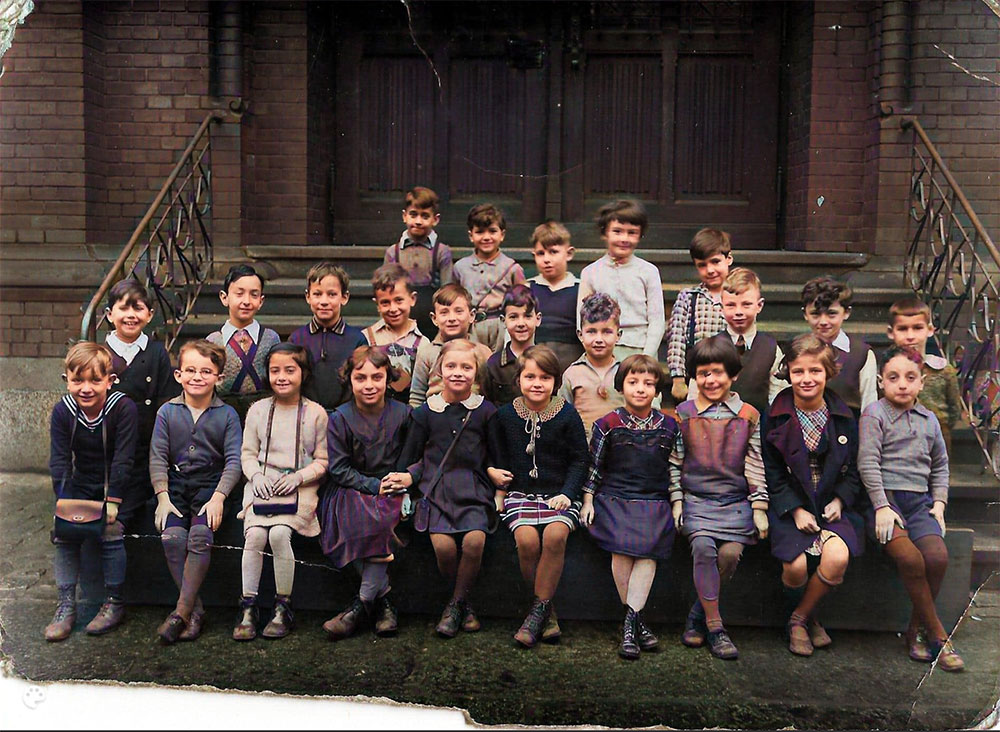
Jewish life in Silesia began to develop dynamically after 1812, following the edict that allowed Jewish communities to settle legally in German towns and to establish their own organizations and institutions. Most German Jews sought assimilation, finding their place within this cultural and social landscape and often seeing in it an opportunity for social advancement. This was a period of fascinating growth for Jewish communities, during which Jews became a visible and significant part of cities in Lower Silesia. It should be emphasized that through acculturation and participation in German culture, they were generally not an isolated minority but full-fledged, and at times influential, townspeople. It was precisely through this transition from minority to the broader society that Jews were able both to benefit from it and to shape it. This era left behind the greatest legacy — in the form of world-renowned scholars and creators, works of culture, art, and architecture, as well as numerous enterprises. Lower Silesia still remains home to many preserved examples of this heritage, though much of it was destroyed.
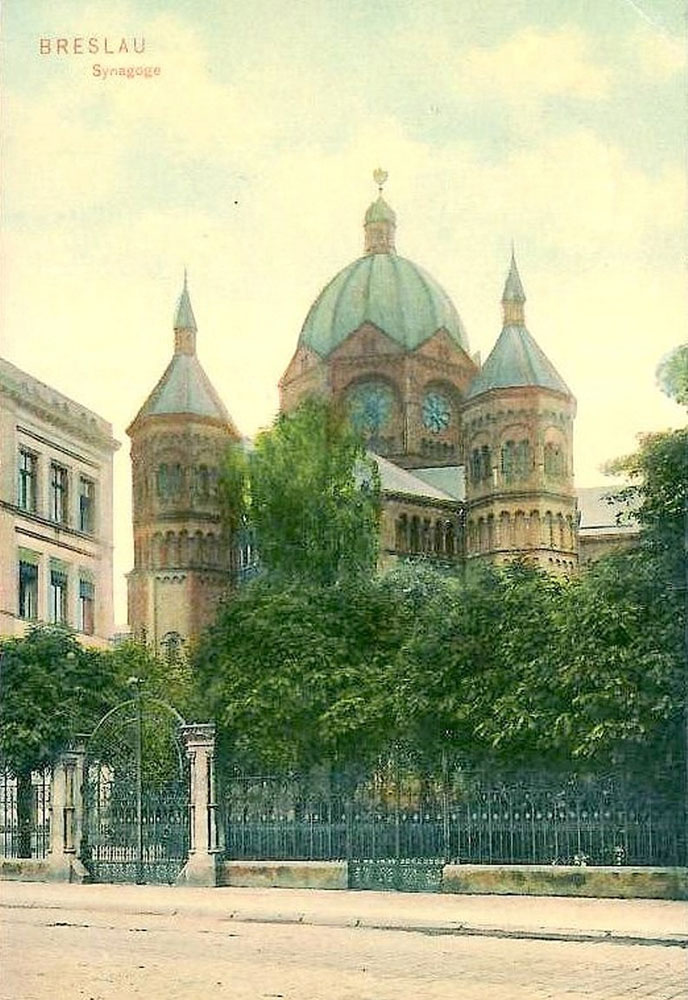
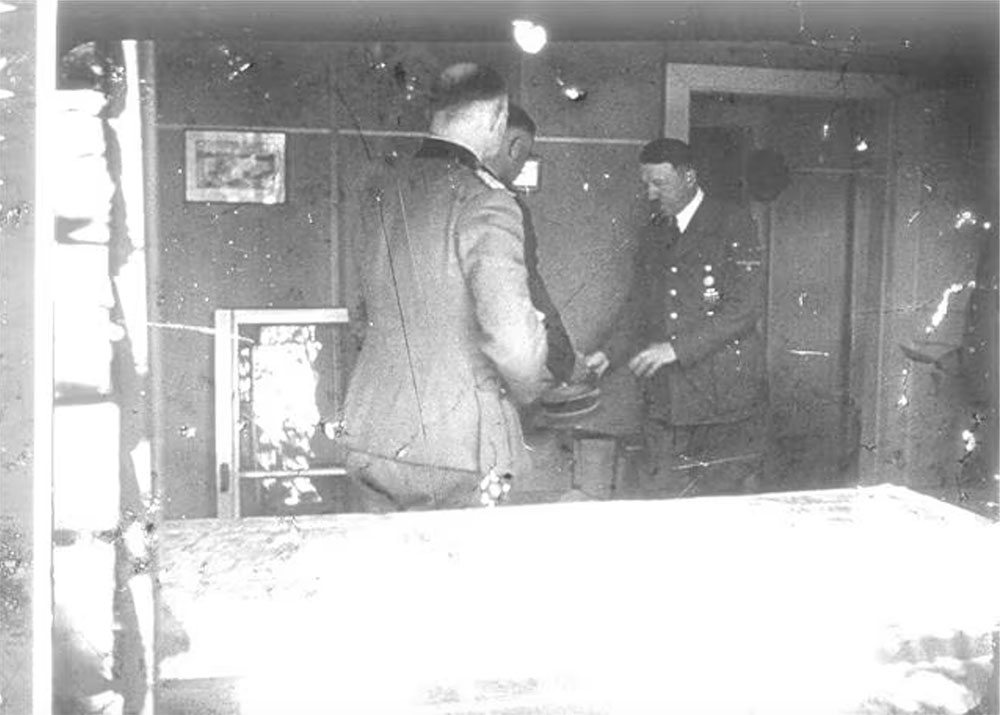
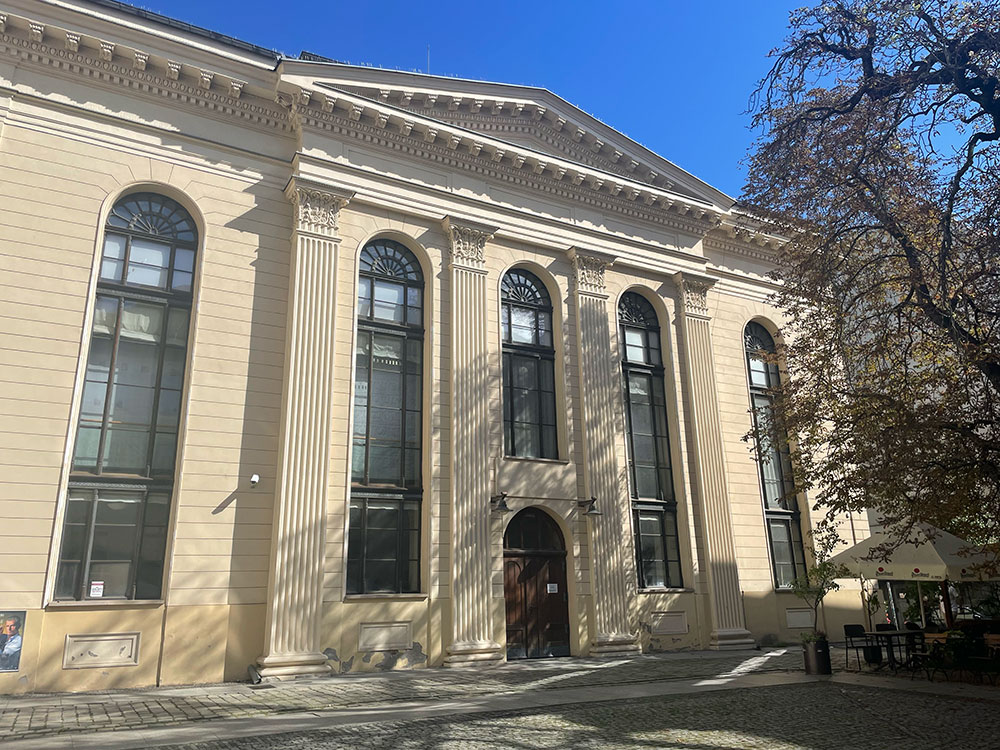
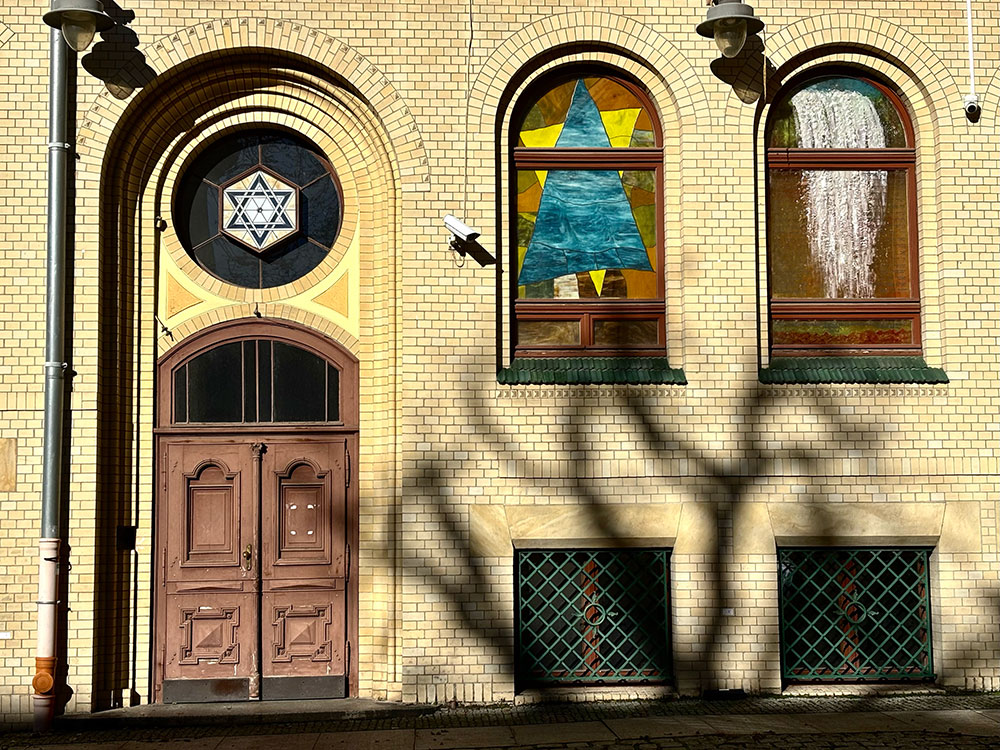
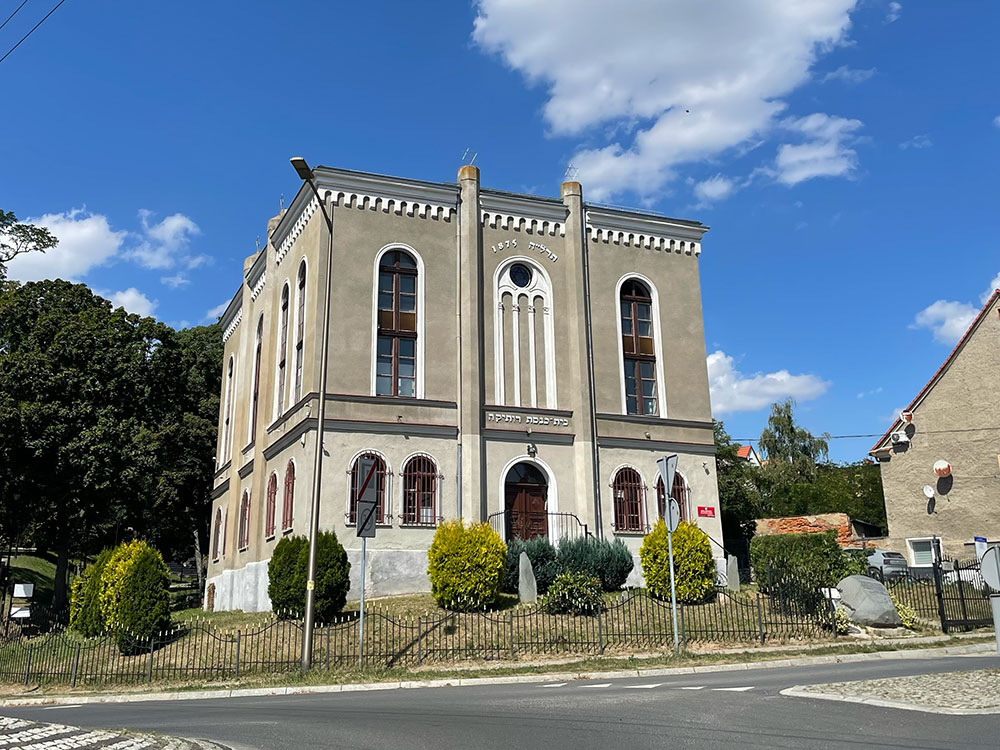
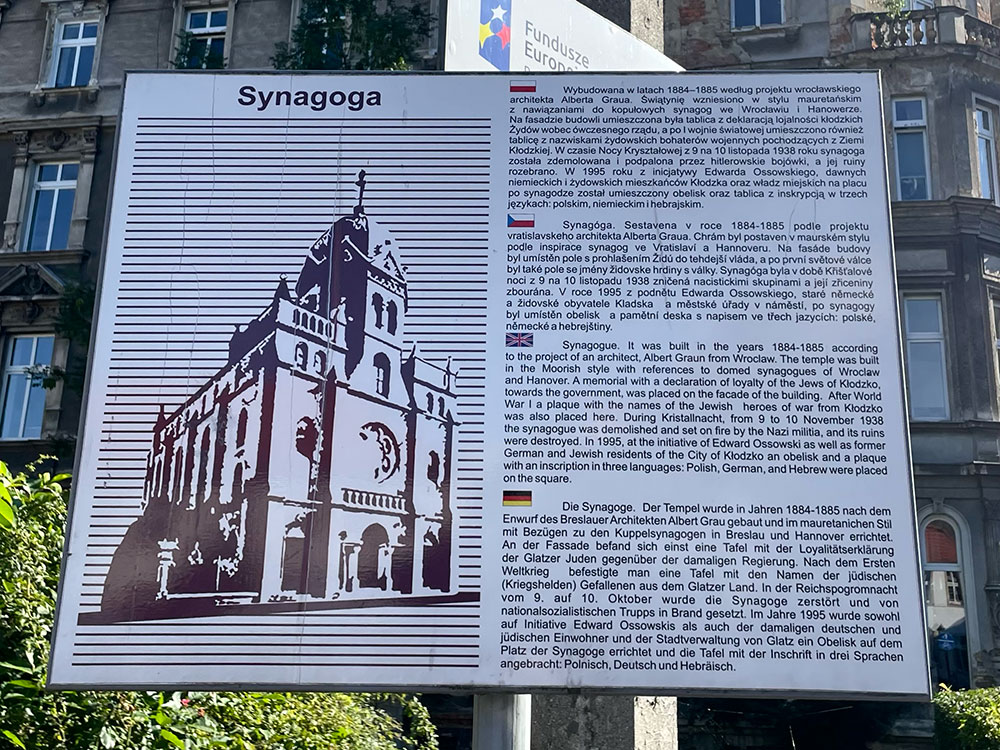
The persecution of German Jews officially began in 1933, though it was by no means unprecedented, as nineteenth‑century Europe already carried within it the spirit of antisemitism. Hitler’s rise to power set a clear course for policies directed against Jews, and nationwide attacks on the Jewish community, both individually and collectively, sought to marginalize this group and drive it out of the country. New legislation legally sanctioned the persecution of Jews, while simultaneously drawing upon social approval. Step by step, Jews were removed from German society, of which they had been a part for decades. The Kristallnacht pogrom of 1938 not only marked the beginning of intensified violence against Jews but also led to the destruction of remarkable material and architectural heritage. This is particularly evident today in Lower Silesia, where most synagogues were burned or blown up during the pogrom, and where the only surviving prewar houses of prayer remain notably in Brzeg Dolny, Chojnów, Dzierżoniów, Wrocław and Ziębice. The escalating terror, dispossession, loss of rights and civic standing, deprivation of livelihood and self‑determination, all served as a prelude to the darkest chapter in the history of the Jewish people — the Holocaust.
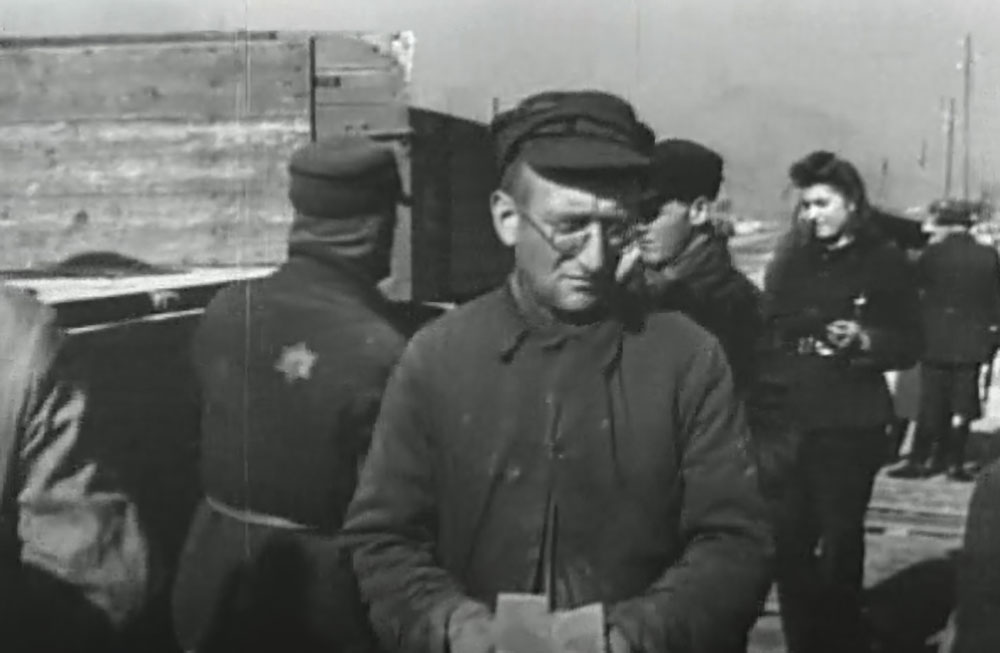
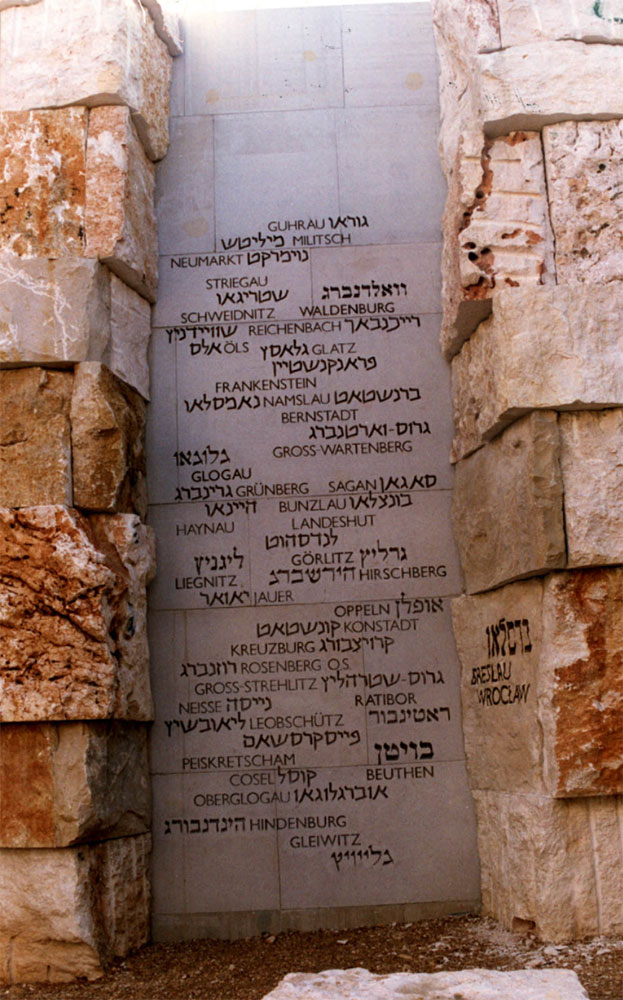
The Jewish community that did not leave during the antisemitic campaign and remained within the borders of the state after the outbreak of war found itself trapped, because by then escape was virtually impossible. Unlike in occupied Poland, there were no ghettos in German cities; however, Jewish residents were sometimes relocated to substitute housing, especially when they owned larger villas or estates that the National Socialists were eager to seize. Owing to the meticulous German administration, the authorities had precise knowledge of every person of Jewish origin. When the plan to annihilate Europe’s Jews was put into effect, members of the Jewish community were informed where and when they were to report for what — using Nazi rhetoric — was termed “evacuation to the East”. Jews from this region were deported between 1941 and 1944 to camps such as Tormersdorf, Riebing, and Grüssau, as well as to Kovno, Izbica, Sobibór, Bełżec, and Majdanek, and also to Theresienstadt and Auschwitz. In this way, the remarkable community of German Jews was annihilated.
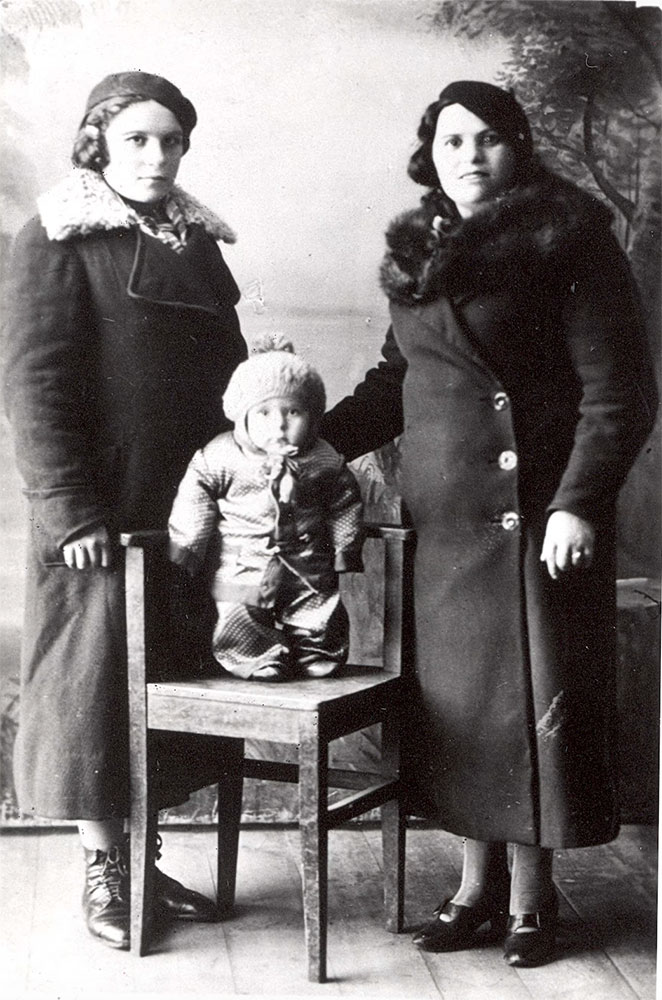
Historians estimate that about 90 percent of Polish Jews perished in the Holocaust. Those who survived and remained, even for a short time, within Poland’s borders did not number more than 300,000. The particular circumstances of the postwar period, together with the extraordinary dynamism and mobility of the Survivors, make it difficult to arrive at precise figures that take into account the dates and places of their residence or stay. On the one hand, not all Jews registered with Jewish committees; on the other, some did so multiple times. The search for surviving family members, returns to homes that already had new non‑Jewish owners, and the quest for a place after the historical catastrophe of the Holocaust — these were only some of the factors influencing decisions about when and where Jews could and wished to settle permanently. For thousands, however, this was not possible. Exhausted by their wartime flight from death, they often encountered the persistence of antisemitism in postwar Poland. In many cases, the decision was therefore clear: they sought refuge abroad. Paths to a better life were found either in displaced persons camps or through often extremely difficult efforts to reach Eretz Israel.
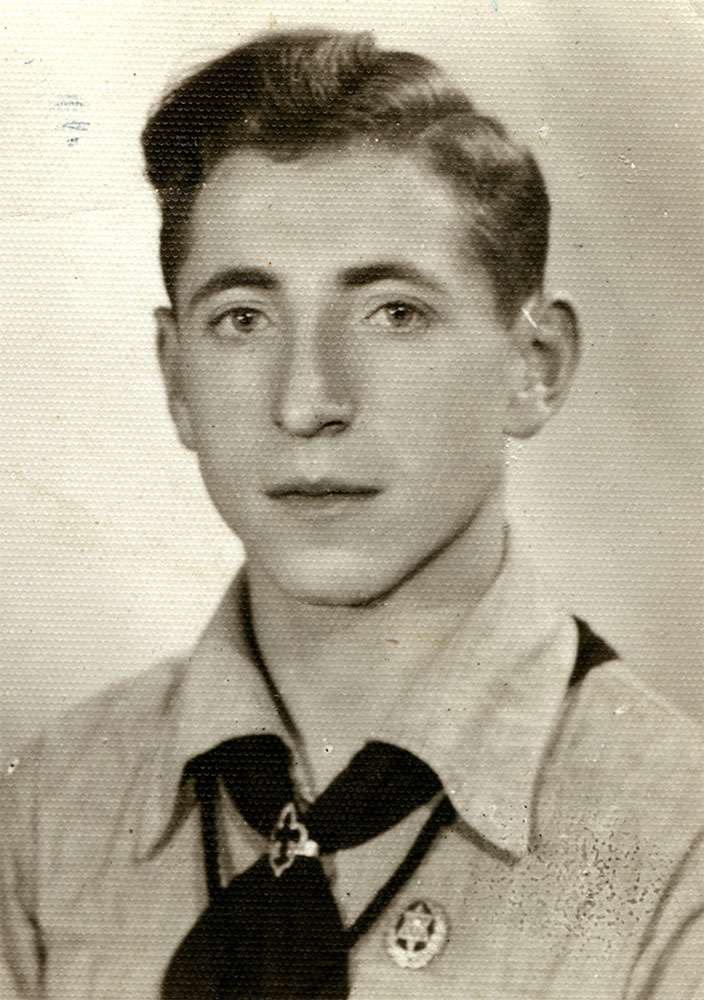
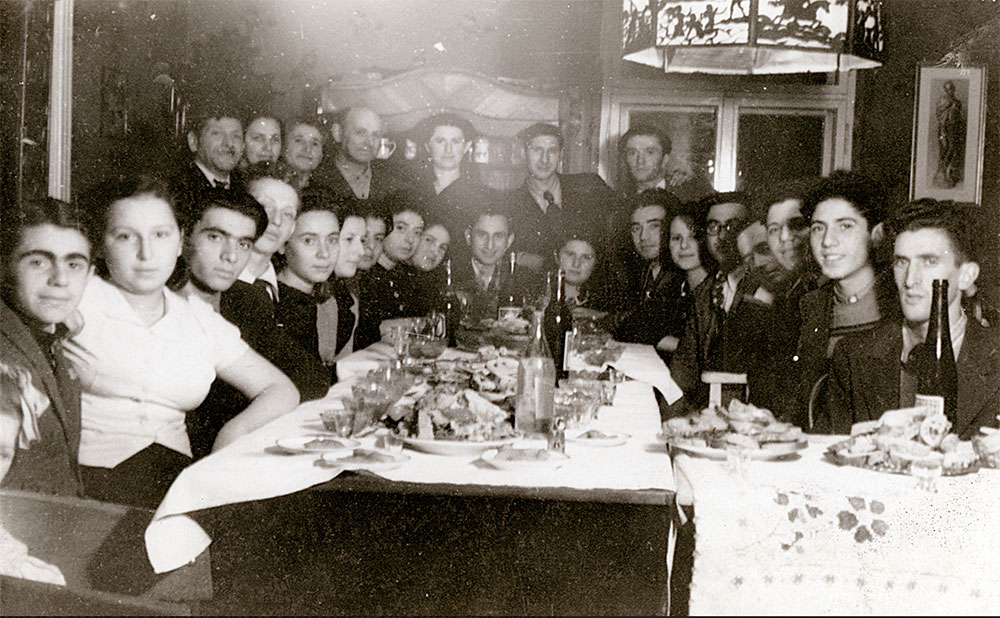
At the opposite end of the decision‑making process stood those who believed in rebuilding Jewish life precisely in Poland. In this context, Lower Silesia was a place of particular significance — for in dozens of towns and small cities, Jews who had survived the war chose to settle. What led them to select this region? It was here that the Gross‑Rosen camp and its subcamps had operated, so liberated prisoners found themselves on lands that were just then being incorporated into Poland. In addition, the communist authorities directed here so‑called repatriates from the Eastern Borderlands, as well as Jews who had survived the war in the Soviet Union. Some Survivors initially attempted to return to their prewar homes, but these were in most cases already taken over, and the trauma of the Holocaust was intensified in places associated with the lives of families that had been annihilated. Lower Silesia thus became, in this sense, a neutral place — a new land for a new life.
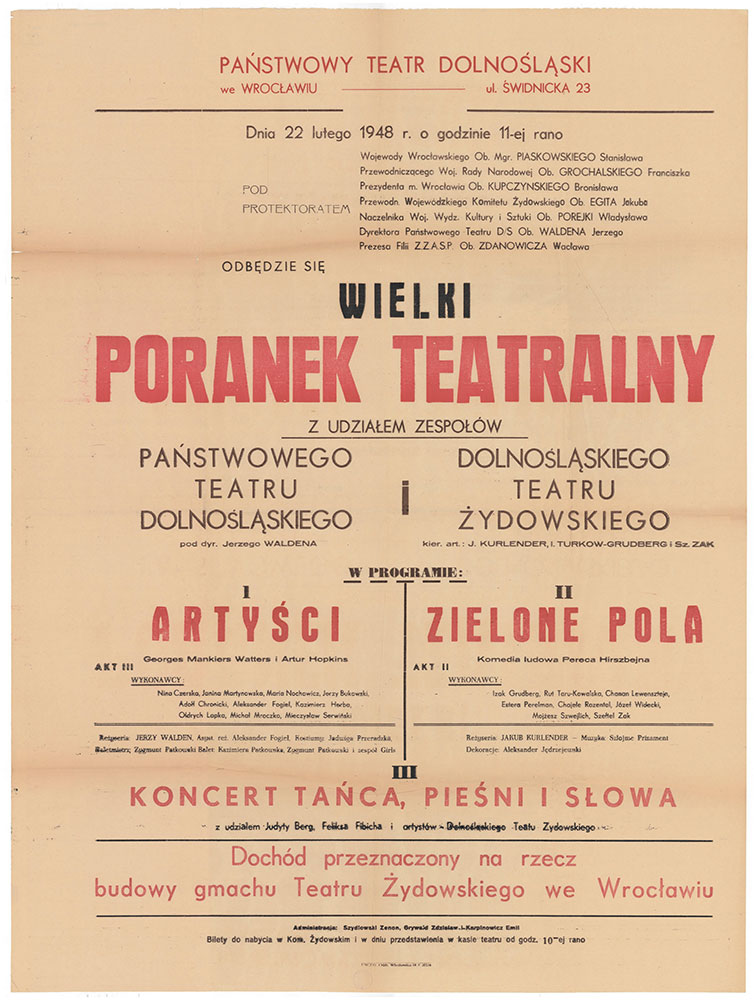
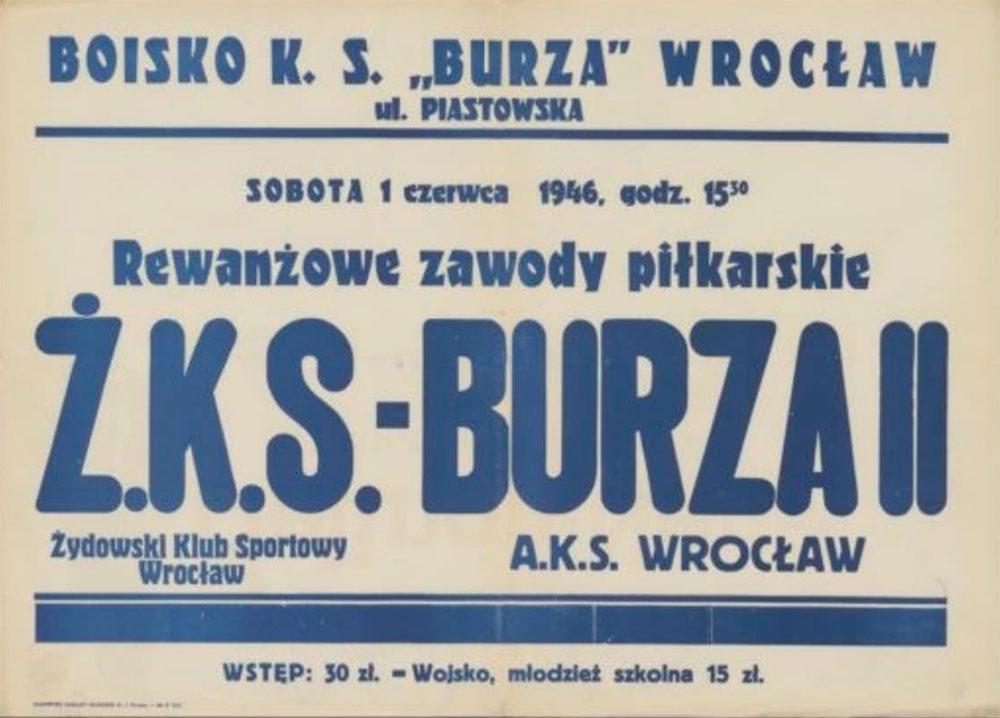
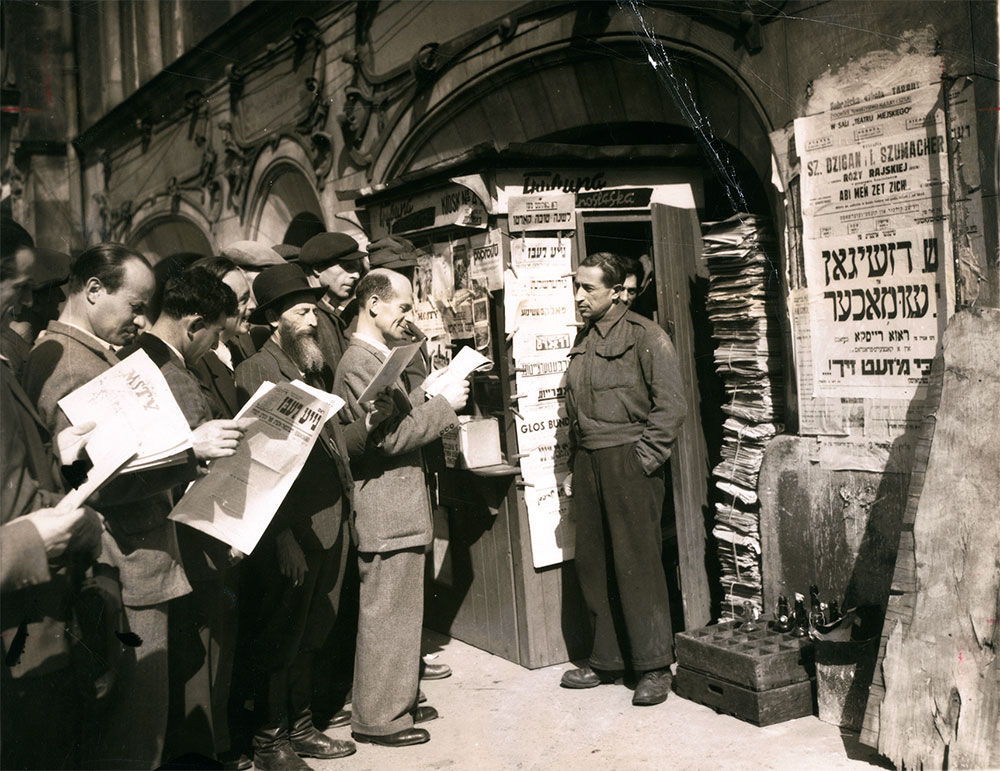
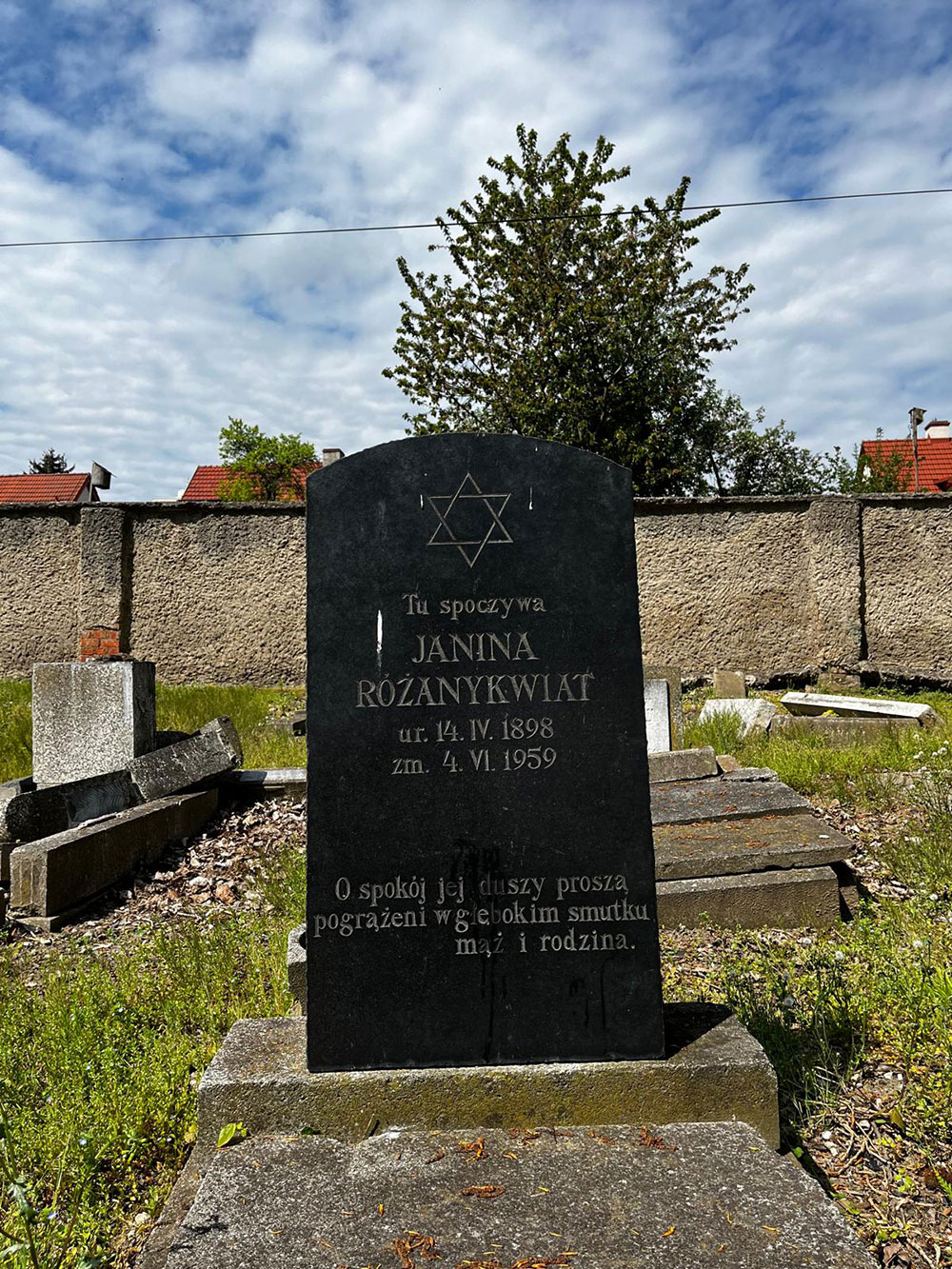
It is worth noting that the first postwar years were favorable to Jews in the context of central government policy, for as the only minority they enjoyed broad socio‑political autonomy. Notwithstanding traumatic wartime experiences, the future looked bright. They could establish cooperatives, associations, hospitals, run schools, organizations and institutions, form their own political parties pursuing particular aims, and publish books and press in Yiddish. Regrettably, this period was short-lived. The founding of the State of Israel, the designation of Jews as enemies of the Soviet bloc, and party purges fueled by the myth of so called żydokomuna led to the marginalization of this minority. The building of totalitarianism stood in natural contradiction to granting freedom and autonomy, and thus the late 1940s brought significant restrictions on the possibility of rebuilding Jewish life. Jewish organizations ceased to fit into the narrative of co‑creating the new system and became a threat to be eliminated. Social life underwent cascading changes: Zionist parties were dissolved, cooperatives nationalized, and the activities of institutions restricted or banned. In the context of Lower Silesia this was particularly telling, for as one of the most important centers of Jewish reconstruction it was placed under close supervision during the intensifying struggle against Zionism. Authorities feared that Jewish Lower Silesia sought to detach itself from Poland and submit to Israel however irrational that may sound today. Jakub Egit, who served as chairman of the Provincial Jewish Committee in Lower Silesia, was removed from his post in 1949, and four years later was arrested on charges that included, among other things, attempting to separate Lower Silesia from Poland. The Provincial Jewish Committees existed only until 1950. The following years alternated between periods of passivity toward Jews and intensified campaigns against them. As a consequence, this led to the marginalization of the community and its gradual disappearance from Poland’s social map. After the outbreak of the Six‑Day War in Israel in 1967, when the Soviet Union supported the Arab side, the communist authorities in Poland unleashed a broad and in many respects brutal antisemitic campaign. As a result, the year 1968 entered history as a time of great Jewish emigration, which definitively ended attempts to rebuild Jewish life after the war.
Only the fall of communism and the restoration of democracy in Poland marked the beginning of a renewed revival of the Jewish community — a community that, after decades of marginalization, had been greatly diminished both in numbers and in its development and significance. The rebuilding of democracy brought with it the restoration of the legal identity of Jewish congregations, as well as the growth of Jewish institutions and organizations. The 2020s already appear firmly rooted in a pluralistic and multicultural Poland, though history reminds us how fragile these notions remain when viewed against the fate of Jews in this part of Europe.
The historical perspective encourages us to present the history of German Jews in the context of intensifying antisemitic movements, the power of the National Socialists, anti‑Jewish legislation, and ultimately the Holocaust and the murder of the majority of Europe’s Jews. By contrast, the history of Polish Jews in Lower Silesia can be analyzed through the prism of wartime trauma and attempts at rebuilding life, as well as the growing attacks and persecutions from both the authorities and society. Ultimately, we see it in the context of the second totalitarian regime, which once again, through force, marginalized the Polish Jewish community until the end of its rule. We are now sufficiently distant from these historical events to view them more clearly and in a broader context. At the same time, we are witnesses to rapid changes in the current perception of the Jewish community and to the unequivocal revival of antisemitism, long dormant, which in turn allows us to discern parallels and recurring histories.
Yet this is not a story of death or helplessness. On the contrary, we draw upon what we consider the most compelling examples of Jewish activity in selected towns. We show how this community repeatedly built new life, both in individual and social contexts. And this is by no means hidden in dusty textbooks, but available at hand — especially in Lower Silesia, where the Jewish community left behind a vast material and spiritual heritage. We speak of inspiring works of science, culture, art, and architecture, of remarkable entrepreneurship, and of innovative changes in the teaching and practice of Judaism. This is more than local patriotism, which highlights the contributions of Jews to shaping Lower Silesia as we know it. It is a story of transgression and of the influence of Lower Silesian Jews on the development of modern society, extending far beyond the borders of this region.