Urszula Rybicka
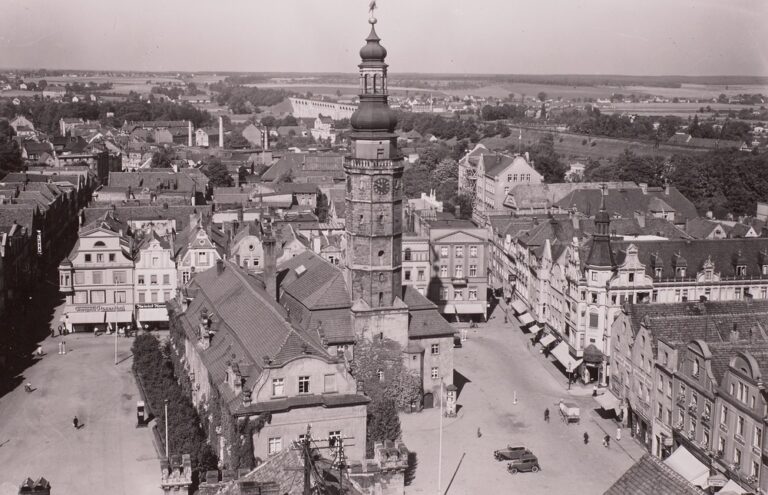
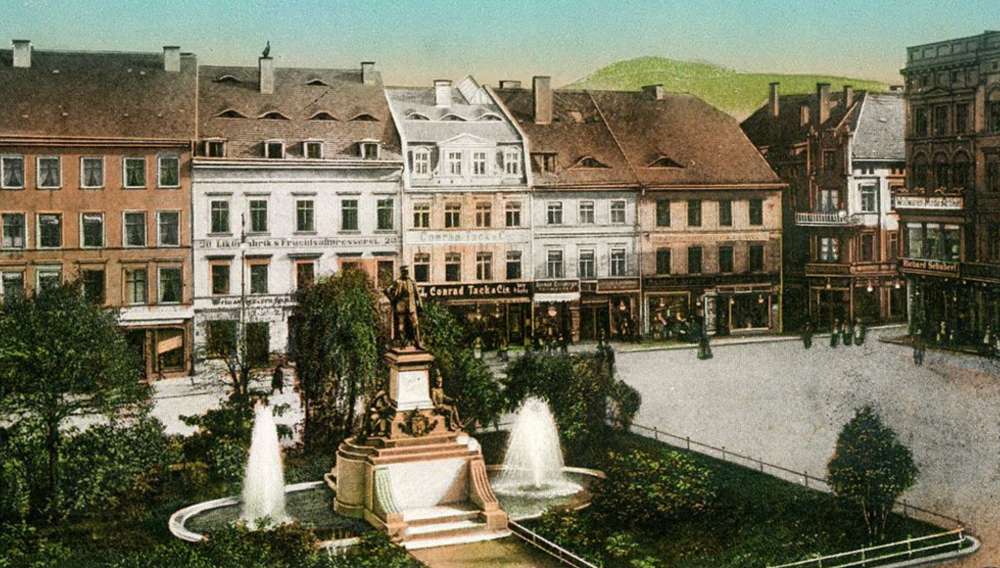
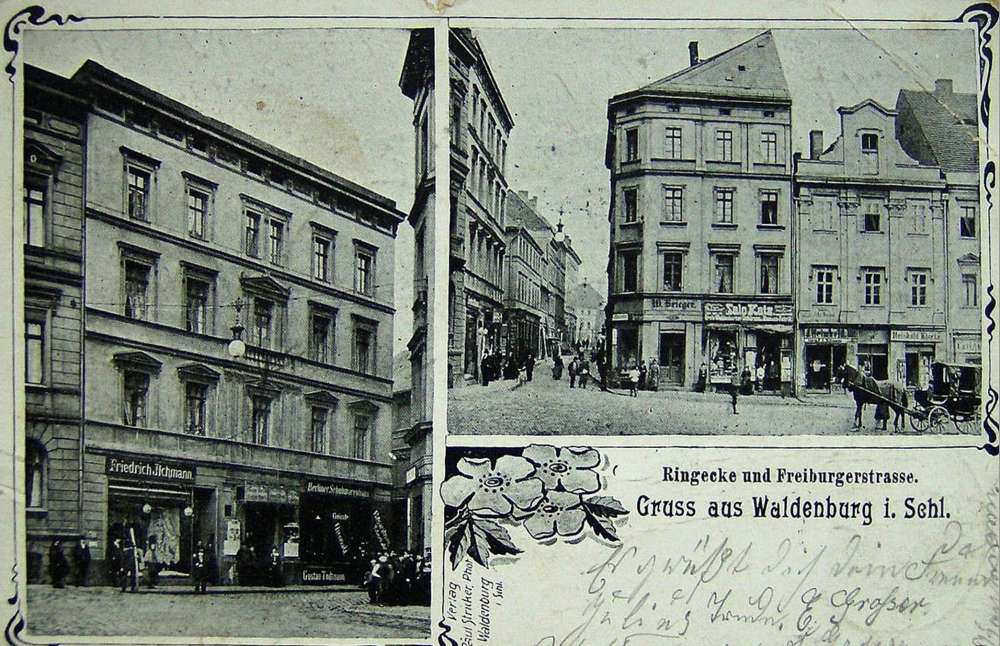
The Jewish community of Wałbrzych (Waldenburg) developed relatively late, only in the 19th century, following the wave of changes in the treatment of Jewish citizens in Western European countries. After the Emancipation Edict of 1812, when Jews in Prussia were granted civil rights allowing them to settle in cities and develop their communities, the small Jewish community of Wałbrzych numbered around several dozen people and initially cooperated with the community in Świdnica (Schweidnitz). Interestingly, small town of Szczawno-Zdrój (Bad Salzbrunn), closely neighboring Wałbrzych, was also home to a small Jewish community that had its own cemetery, which no longer exists today. It also hosted many Jewish tourists during the holiday season, who eagerly visited Silesian health resorts. The Jewish community of Wałbrzych was therefore not numerically significant, but its presence was noticeable — for instance, through the later construction of a synagogue and the establishment of a cemetery. In the long run, Jews were also visible in the town square itself, where the salons of Jewish entrepreneurs, including Conrad Tack and Salo Katz, were located. They were also involved in industry and crafts, not only becoming part of the city but having a real impact on its development.
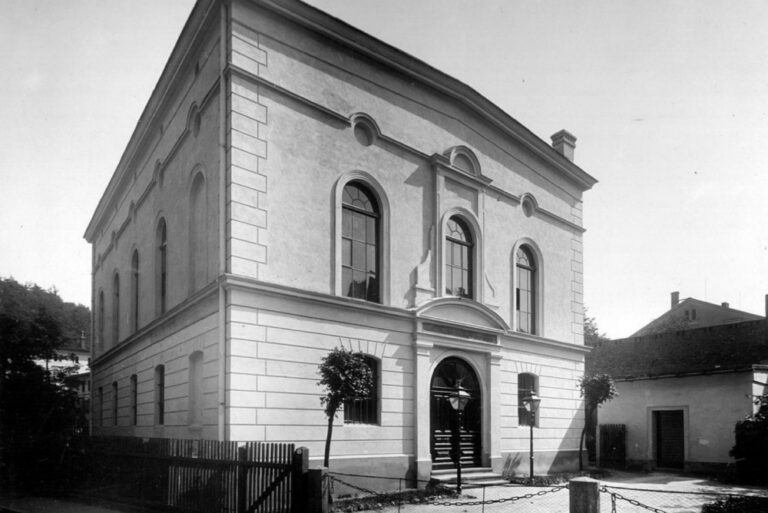
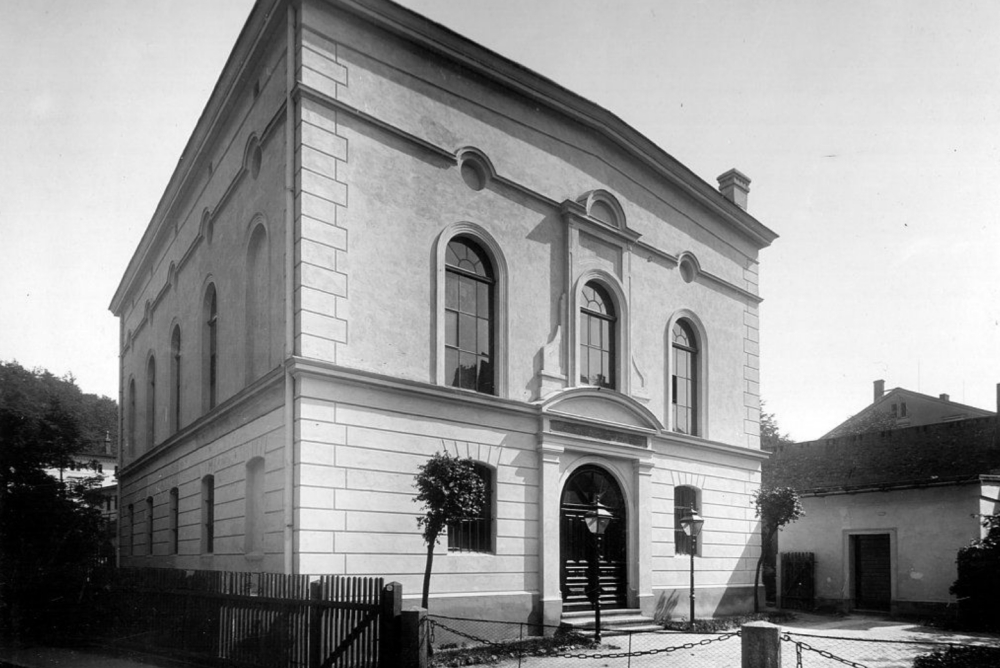
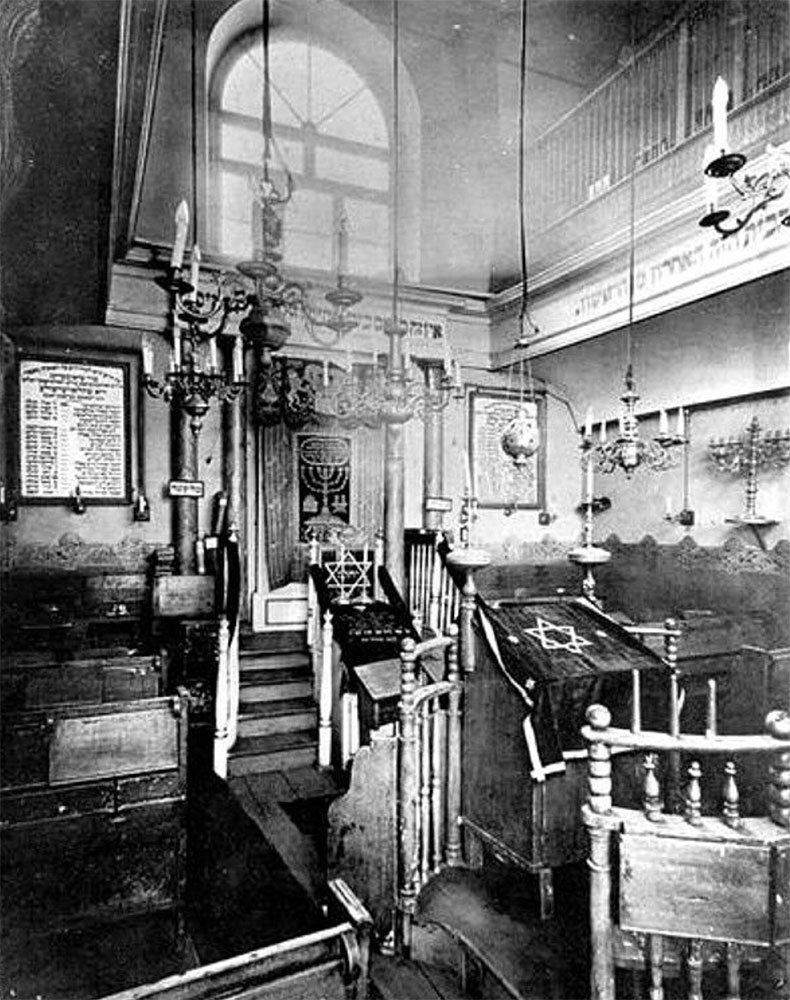
The end of the 19th century was a period of prosperity for the Jews of Wałbrzych — the community numbered over 300 members, and Jewish life gained strength. At that time, a synagogue was built for their needs, as the earlier one from the mid-19th century functioned in a private apartment and was insufficient for the growing community. From 1882, the new synagogue operated at the current św. Jadwigi Street. As in many German synagogues conducted in a liberal spirit, a synagogue choir also operated there. The facade and interior of the house of prayer were maintained in a modest aesthetic, and during the interwar period, it underwent a general renovation, during which it was not only restored but also modernized, for example, by installing electrical wiring. However, its splendor did not last long, as it was burned down, like many German synagogues, during the Kristallnacht pogrom in 1938. Next to the synagogue, a community house was added in the 1920s — it served as a place for prayers and meetings, and it also contained apartments. Unlike the synagogue, the building survived the Nazi era (though one would look for Jewish life in it today in vain).
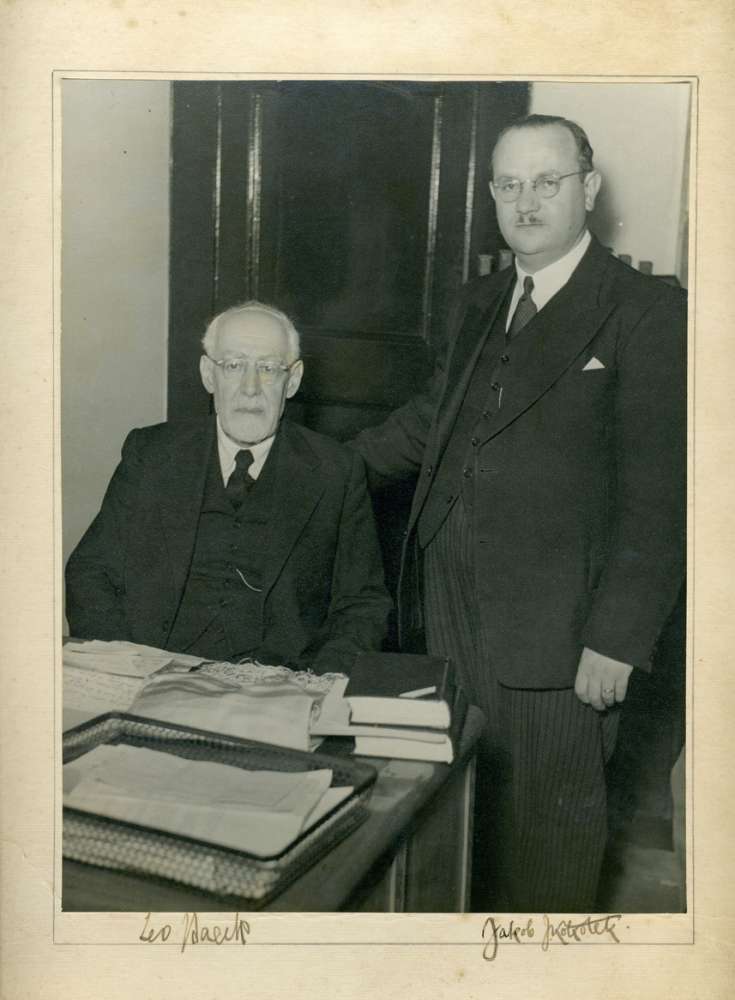
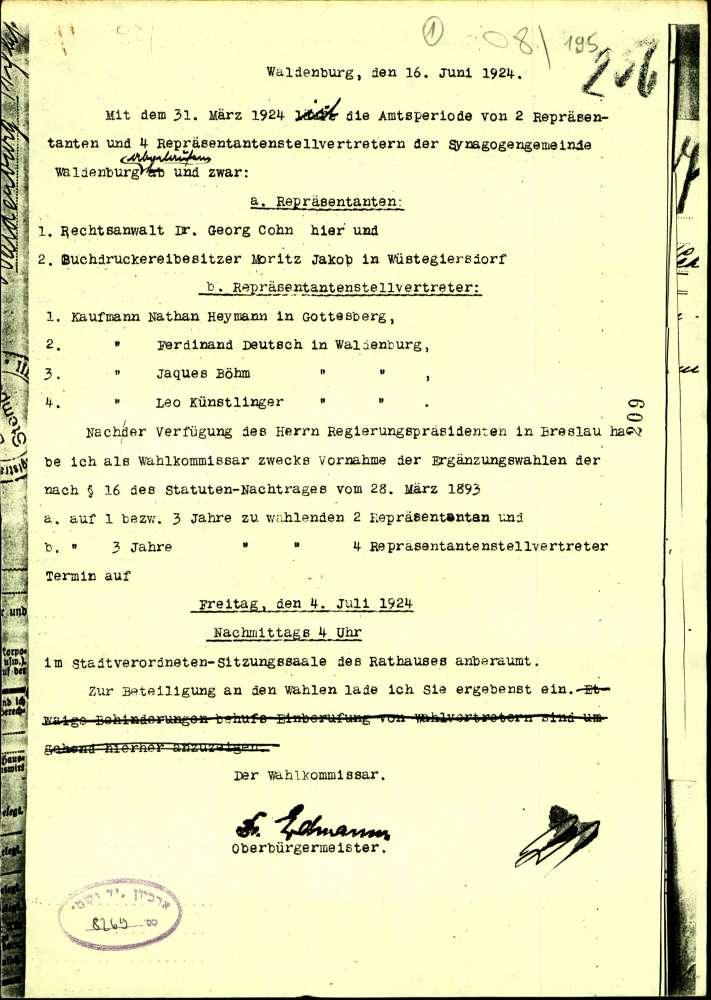
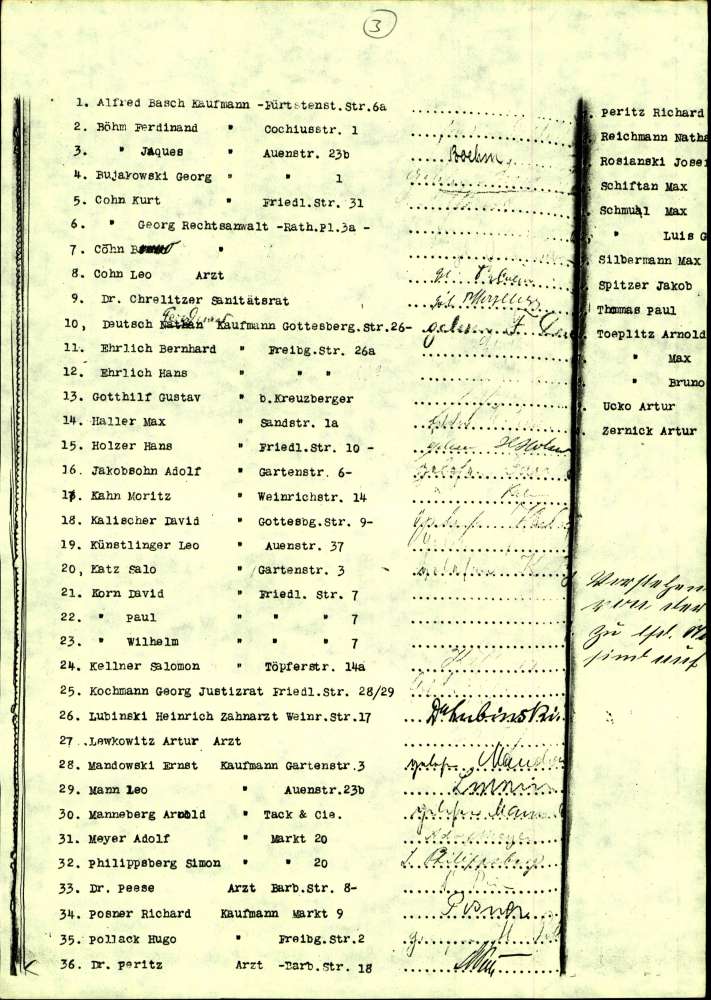
This period was fruitful not only in a religious sense but also socially, as the Jewish residents of Wałbrzych organized themselves into many secular groups. They were involved, among others, in groups for Jewish youth, Zionist movements, such as the branch of the Women’s International Zionist Organization (WIZO), as well as in the Central Association of German Citizens of Jewish Faith (C.V.), which had been fighting increasing antisemitism since the 19th century. Some of them, despite growing difficulties, still existed after the Nazis came to power. Until the outbreak of the war, the rabbi of the Wałbrzych Jewish community was Jacob Kokotek, who had previously studied at the Jewish Theological Seminary in Wrocław. He managed to emigrate to Great Britain, where he successfully continued his work in liberal Jewish communities.
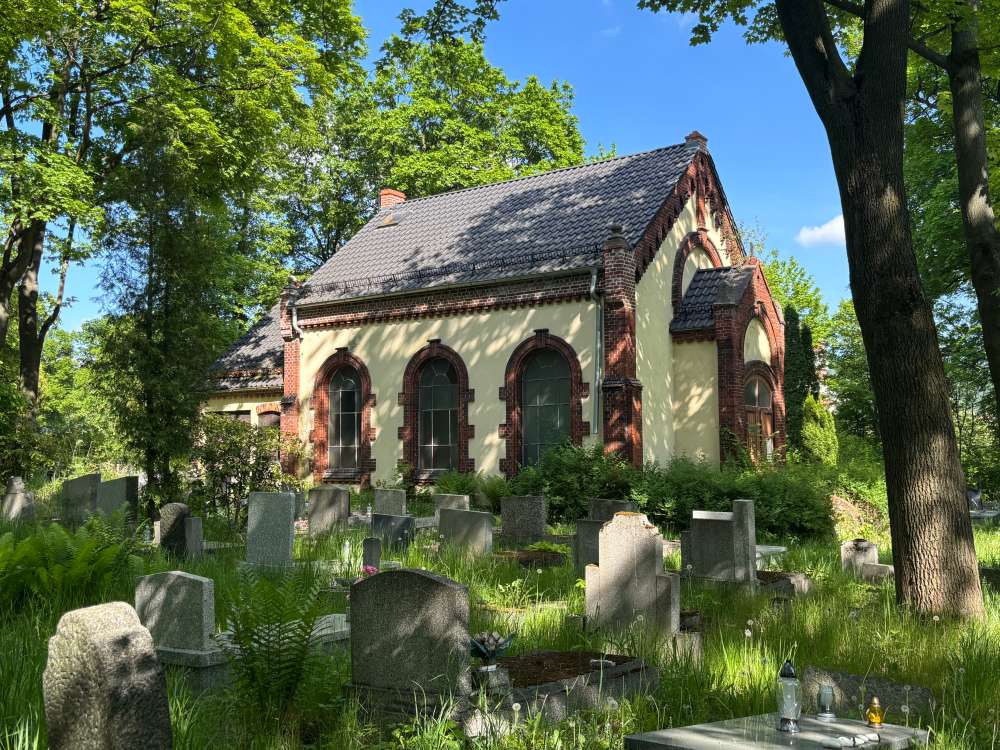
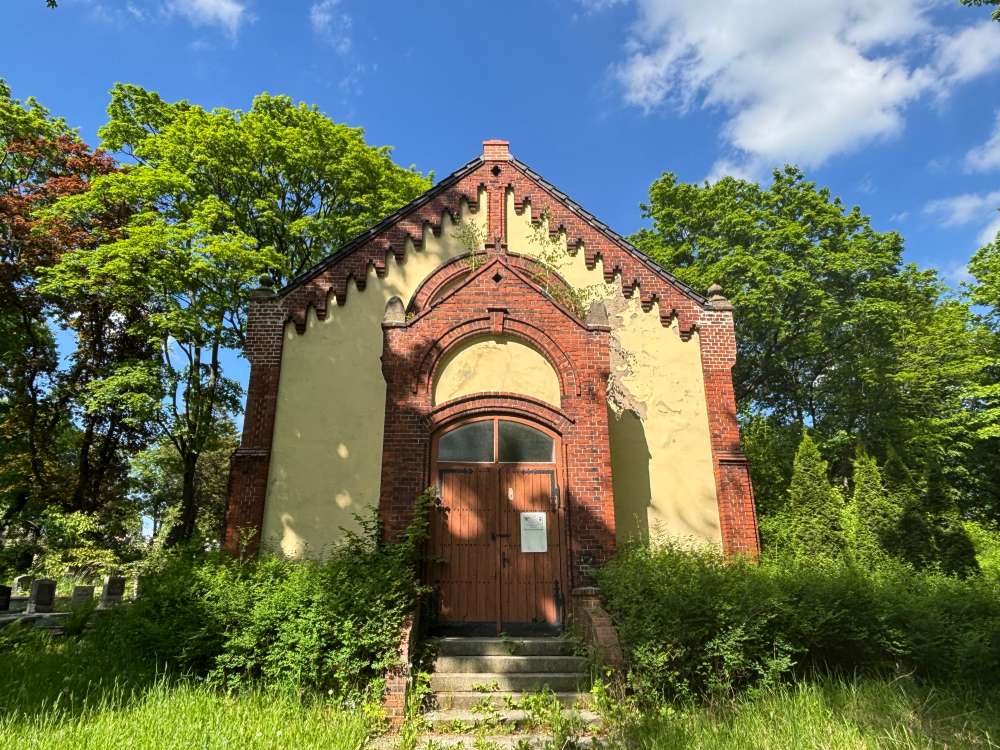
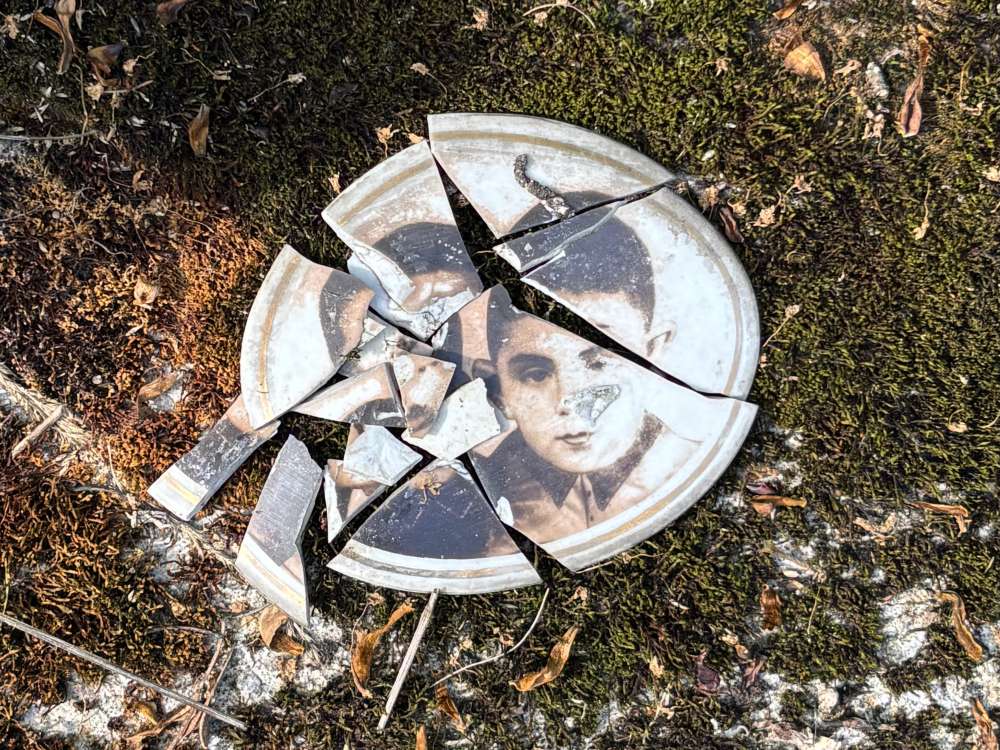
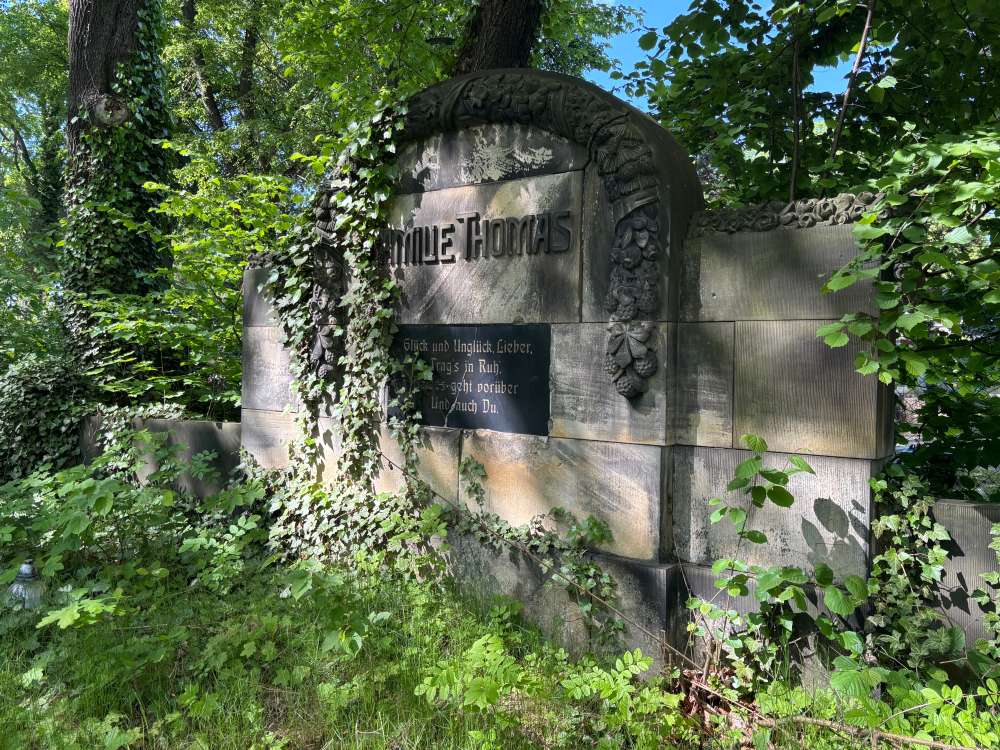
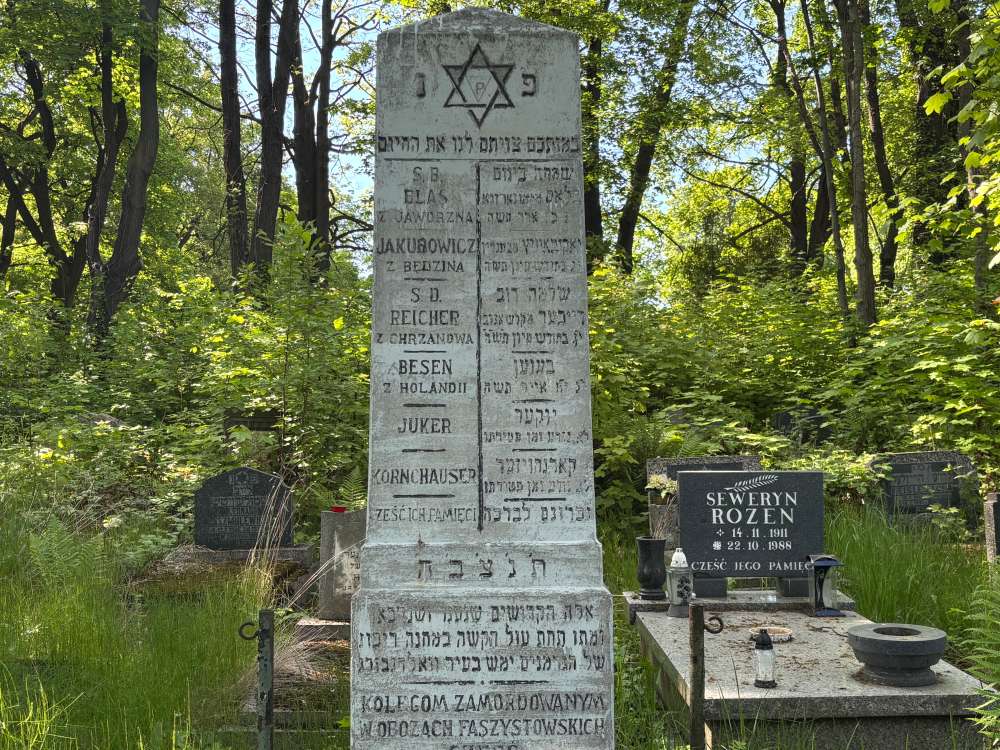
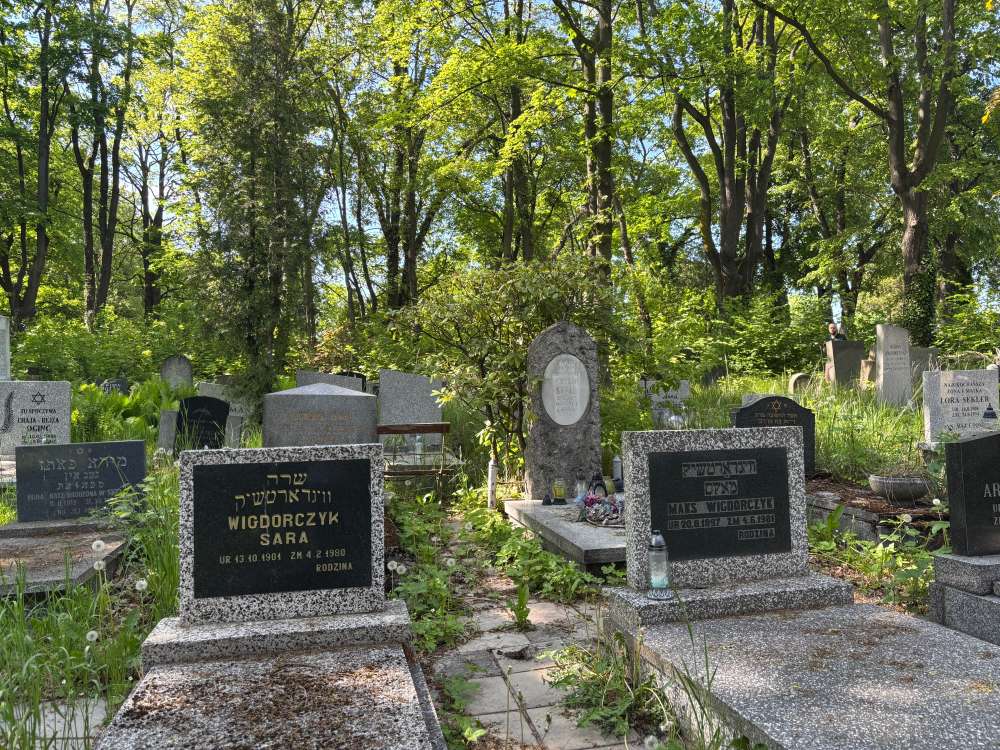
The planned Jewish cemetery from the first half of the 19th century ultimately did not begin to function. Therefore, the deceased were buried in nearby towns such as Kamienna Góra or Świebodzice. Later, a temporary Jewish cemetery operated at the current 1 Maja Street. In turn, the New Cemetery at the current Moniuszki Street was gifted to the Jews by the city — at the beginning of the 20th century, a municipal necropolis was created, which was divided among denominations. Alongside the Catholic and Evangelical sections, a Jewish section was also created, where a preserved pre-burial house is located. In the Wałbrzych Jewish community, there was also, of course, a burial brotherhood established in the 19th century, known as the Chevra Kadisha. Today, alongside German Jews, Polish Jews are buried there, as the cemetery has once again served the Jewish community since the post-war years. It is estimated that about 150 gravestones survived the war. As in most pre-war Jewish cemeteries in Silesia, this one also contains universal gravestones referring to German funerary architecture, rather than typical and traditional Jewish matzevot.
Before the Nazis came to power in 1933, the Jewish community numbered about 200 people and decreased dramatically each year as a result of emigration due to strengthening and accumulating antisemitism. However, even before Hitler’s rule, antisemitic attacks occurred in Wałbrzych, as sentiments hostile to Jews had been strengthening and resonating in German society since the 19th century. With each passing year, the lives of Jews became harder and they were pushed to the margins — socially, economically, politically, and legally. The Jews who did not manage to emigrate before the outbreak of the war found themselves — like most European Jews — in a deadly trap. They were initially resettled and ultimately deported to ghettos and death camps, with the largest number of them ending up in the Auschwitz-Birkenau camp.
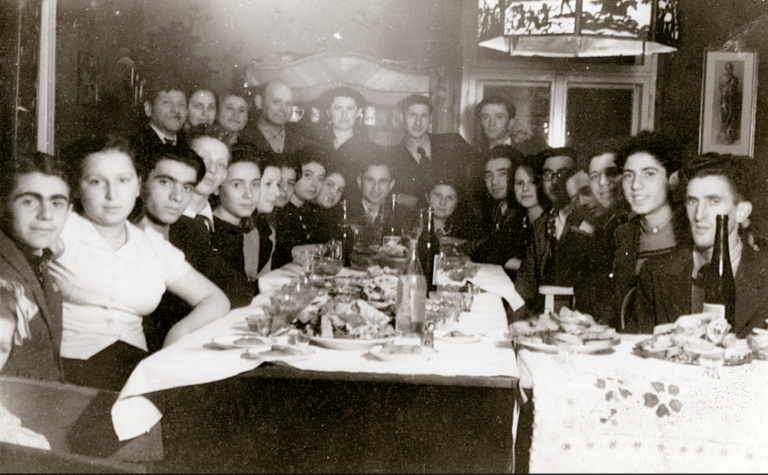
A new chapter in the Jewish history of Wałbrzych dates back to 1945, when Holocaust survivors began flowing into the city. Their numerous settlements quickly led to Wałbrzych being called a Jewish city — it was the third-largest center of Jewish settlement after the war in Lower Silesia (surpassed only by Wrocław and Dzierżoniów). The scale and size of the community of Polish Jews living in Wałbrzych after the war colossally exceeded the pre-war Jewish life in the city. On the streets, one could hear conversations in Polish, German, and Yiddish. Similar to the situation in Dzierżoniów, a large number of the settling Jews were those who had been liberated from the sub-camps of Gross-Rosen. Even within the city during the war, there were six branches of this camp. The group of new residents of Wałbrzych included Jews from eastern and central Poland, repatriates from the USSR, and survivors from other concentration camps. The extensive settlement was favored by the fact that Wałbrzych was not severely destroyed during World War II, so the urban infrastructure, including factories and mines, was ready for use by the new residents. The undestroyed industry in the city encouraged Jews, especially those of young and middle age, to start a new life right here—with broad professional and earning prospects. As part of productivization, Jews were trained to work in the mines extracting “black gold”, thereby contributing to the emergence of Jews in a completely new branch of the mining industry for them. Proud Jewish miners — this was not the only novelty in the social history of Polish Jews. It is estimated that in 1946, there were already about ten thousand Jewish residents in Wałbrzych. However, in the case of most cities in Lower Silesia, this number was dynamic and changed from month to month. Many people treated these cities only as a stop on their post-war journey. While some decided to emigrate, others arrived here determined to start a new life specifically in Lower Silesia. Interestingly, nearby Sobięcin (the earlier name before being incorporated into the city limits was Węglewo) was so dominated by Jewish residents that it was ironically called Palestine. Although they quickly left those areas choosing emigration, one can still hear about the Wałbrzych Palestine today, and not only in colloquial language.
With the growing number of Jews, efforts were made to respond to the increasing needs of the community. Thus, an extensive network of infrastructure was created to care for this community, both in religious and secular dimensions. Operating here were, among others, a mikvah and a kosher canteen, schools and dormitories, a Jewish library and common rooms, and political parties were formed. Books and publications on the history, culture, and literature of Jews were also published here, which had a significant number of readers. Most Jewish organizations functioned until 1949, because along with waves of emigration, some of them ceased to be needed over time, and the second, much more important and national problem was the nationalization of Jewish institutions by the communist authorities (which, of course, also meant the nationalization of Jewish property). Among the institutions that took care of the return to normal life after the tragedy of the Holocaust, one can mention: a Jewish orphanage at the current Guglielmo Marconi Street (operating in 1946) and the modern for those times Dawid Guzik Jewish Hospital (operating in the years 1948–1949), along with which a nursery and a nursing school were run. A Jewish school also functioned here. The strengthening of cultural life was also significant—the Wałbrzych Jewish Renaissance Theater operated in the building where the Dramatic Theater is currently located (pl. Teatralny 1). On the stage, one could mainly see comedy performances staged in Yiddish, Russian, and Polish. Holocaust survivors were also helped to gain necessary skills in courses and training and to find employment. Thus, for many Jewish residents of Wałbrzych and the surrounding area, a new model of life and work was born.
Characteristic of the dynamics of the post-war period was increased migration — both internal and beyond the country’s borders. Wałbrzych, as well as Kłodzko and Kudowa-Zdrój, towns located near the borders, were places of intensified (but mostly semi-legal or illegal) activity of the Zionist Bricha. After the war, Jews could not legally leave the country, so thousands of them used organized help to cross the green border to begin emigration to the then British Mandate of Palestine. Until 1948, Bricha created transit points and prepared groups to leave the country and start a new life in Eretz Israel. The intensified activity of Zionist organizations was also manifested in the establishment of kibbutzim, small cooperative agricultural centers mainly associated with the creation of Israel. After the war, several kibbutzim operated in Wałbrzych and its surroundings, which gathered youth and young adults, and their goal was to prepare future pioneers to build the Jewish state.
The local Social and Cultural Association of Jews in Poland (TSKŻ) played a huge role in creating new Jewish life in Wałbrzych, also after the first waves of emigration and the tightening of the communist authorities’ policy towards the Jewish minority. It gathered the community around various events, often spontaneously and promptly responding to the group’s needs. Classes were organized there for children and youth, as well as for adults and seniors — for example, one could compete in sports classes, participate in theater, music, and art circles, or expand knowledge at lectures and presentations. Meetings often had a purely social dimension — people watched television together, discussed, played chess, card games, and dominoes. Most Jews were non-religious and mostly did not observe Shabbat or celebrate Jewish holidays, spending time together in secular activities. However, there was also the Congregation of the Mosaic Faith, as one of two — alongside the TSKŻ — Jewish organizations approved by the communist authorities. It ran, among others, houses of prayer, a Jewish school, a canteen, and provided care for the cemetery.
Unfortunately, efforts to maintain a stable Jewish community were doomed to failure in subsequent decades as the authorities’ campaign and the suppression of Jewish subjectivity intensified. As in many Polish cities, emigration accelerated in 1968, and in the 1970s, only about 450 Jews lived in Wałbrzych. The fading of this community also affected those who remained in the city, as opportunities to participate in artistic, cultural, or religious life diminished, and it became increasingly difficult to get a kosher meal or celebrate holidays together. Only a fraction of those who came here after the war to rebuild their lives survived the period of communism in the Wałbrzych lands. Although since the time of the political transformation, Jews can once again enjoy full civil rights and freedoms, both in Wałbrzych and other towns of Lower Silesia, it is now a community made up in the vast majority of older people. Today, a branch of the TSKŻ still functions in Wałbrzych, uniting members around Jewish holidays, historical commemorations, cultural events, or thematic lectures.